
Mustang Options: Planning a Power-Adder Build

Choosing a supercharger, turbocharger, or nitrous system starts with your Mustang's exact configuration and what you want the finished car to do. Your driving habits, desired power delivery, and complete budget should guide the decision before a particular kit catches your attention.
A street-driven GT, a drag-strip project, and an occasional weekend car can have different priorities. Start with a clear description of your Mustang, then build a proposal around your actual goals rather than a horsepower headline.
Key Takeaways
Choose a power adder based on your Mustang's exact configuration, driving habits, desired power delivery, and total budget.
Roots-type superchargers deliver boost at lower RPM, centrifugal superchargers build boost as RPM rises, and turbochargers use exhaust gas to compress intake air. Nitrous adds oxygen through a separate system.
Set a clear project goal for street driving, drag-strip events, road-course sessions, or occasional weekend use, and keep factory ratings separate from project targets.
Compare itemized proposals using the same written brief, including supporting parts, installation, calibration, exclusions, and how the completed setup will be checked.
Mustang power adders: supercharger, turbocharger, and nitrous, and how each makes power
Before comparing proposed power gains, establish the engine and factory output you're starting with. Ford's Mustang lineup provides useful reference points, but those specifications don't establish what a modified car will produce.
A roots-type supercharger delivers boost promptly at lower RPM, while a centrifugal supercharger builds boost as RPM rises. Each design gives the car different driving characteristics.
A turbocharger uses exhaust gas to compress intake air. Turbochargers and superchargers use forced induction, while nitrous adds oxygen through a separate system.
Start with your engine's factory baseline
The 2024 Mustang EcoBoost has a 2.3-liter engine rated at 315 horsepower and 350 pound-feet of torque. The 2024 Mustang GT uses a 5.0-liter Coyote V8 and starts at 480 horsepower.
Keep factory ratings separate from project targets
The 2024 Dark Horse produces 500 horsepower and 418 pound-feet of torque. Its horsepower rating is 20 higher than the GT's starting figure, but that number alone doesn't describe either car's complete driving experience.
Likewise, a proposed horsepower increase doesn't describe a finished project. Record your starting specification and desired result separately. That keeps a factory rating, an advertised gain, and a project target from becoming interchangeable numbers.
The real pros and cons of each Mustang power adder
A useful comparison needs more than three product names. Write down what would make the finished Mustang satisfying to own, then assess each proposal against those priorities.
Define the advantage you're paying for
Be precise about the result you want. "More power" leaves room for a project that meets a number but misses your expectations.
Instead, describe the driving situations that matter: ordinary commuting, organized drag-strip events, road-course sessions, or weekend outings. Also decide whether a particular horsepower target is essential or simply interesting. A clearly stated purpose gives every proposed supercharger, turbo, or nitrous build the same standard to meet.
Forced induction and nitrous can increase cylinder pressure, engine stress, and heat, which may affect longevity. No power-adder guarantees a specific engine lifespan. Discuss the exact setup with a qualified professional. Follow the setup's maintenance schedule, monitor temperatures and fluid levels, and use the fuel it requires.
Separate preferences from nonnegotiable limits
Your preferences and your limits belong on different lines. You might prefer a certain finished appearance or a particular brand, while your maximum spending allowance remains fixed.
Similarly, decide whether you're willing to change the character of a Mustang you already enjoy. That question matters before shopping begins. If the existing car suits nearly all your driving, explain exactly what feels missing rather than describing the whole car as inadequate. Keep that description brief enough to use when comparing written proposals.
When comparing proposals, check whether each includes a cold air intake, long tube headers, and other bolt-on parts. Ask the shop to itemize headers, cat-back exhaust, and any other exhaust work. A Whipple or Hennessey name may appear, so compare the included work and exclusions rather than choosing by brand alone.
Which Mustang options fit your power goals, budget, and driving style?
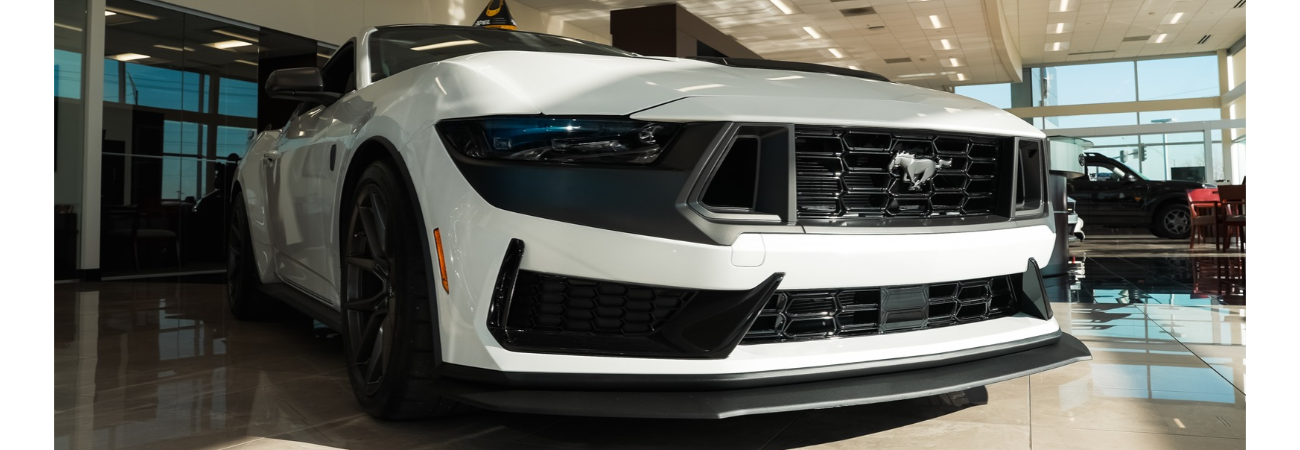
Model names alone don't describe every configuration. For example, Ames Ford's performance Mustang buyer's guide describes a 2026 EcoBoost with a 2.3L engine and 10-speed automatic. It also describes a 2026 GT with a 5.0L Coyote V8, six-speed manual, and GT Performance Package.
Define the job of a street-driven Mustang
For a street car, describe a normal week behind the wheel. Include whether the Mustang handles commuting duties or mostly comes out for pleasure drives.
Then identify the characteristics you already appreciate. Consider how the suspension supports the ride and everyday driving preferences you want to keep. Your transmission choice and attachment to the car should remain part of the conversation. A project doesn't need to erase what made you buy the Mustang.
Distinguish drag-strip goals from road-course goals
"Track use" is too broad to explain your plans. Drag-strip outings and road-course sessions are different activities, so name the one you intend to pursue.
Also distinguish participation from competition. For a road-course project, include your plans for suspension, brakes, and other handling needs. An owner interested in occasional organized events has a different project brief than someone building around a competitive objective. State the intended activity before selecting hardware, and avoid allowing a broad label to make the decision for you.
Give occasional weekend use its own priorities
A weekend Mustang doesn't automatically need the same project as a frequently driven car. Describe how often you'll use it and what makes those outings enjoyable. Assess whether the current braking setup suits the events you have in mind.
If your goal is an entertaining car for occasional events, say that plainly. There's no need to adopt someone else's horsepower target simply because their build attracts attention.
Budget for the full build, not just the power adder
Set a total spending limit before comparing proposals. Keep that limit separate from the amount you're prepared to spend on the main product itself.
Write down what belongs in the project
Decide which expenses belong inside your budget and which don't. Cosmetic changes unrelated to the power-adder decision shouldn't disappear into an undefined overall number.
Put your existing Mustang configuration, desired result, and spending ceiling together in one written brief. Use that same brief for every proposal so you're comparing the same project.
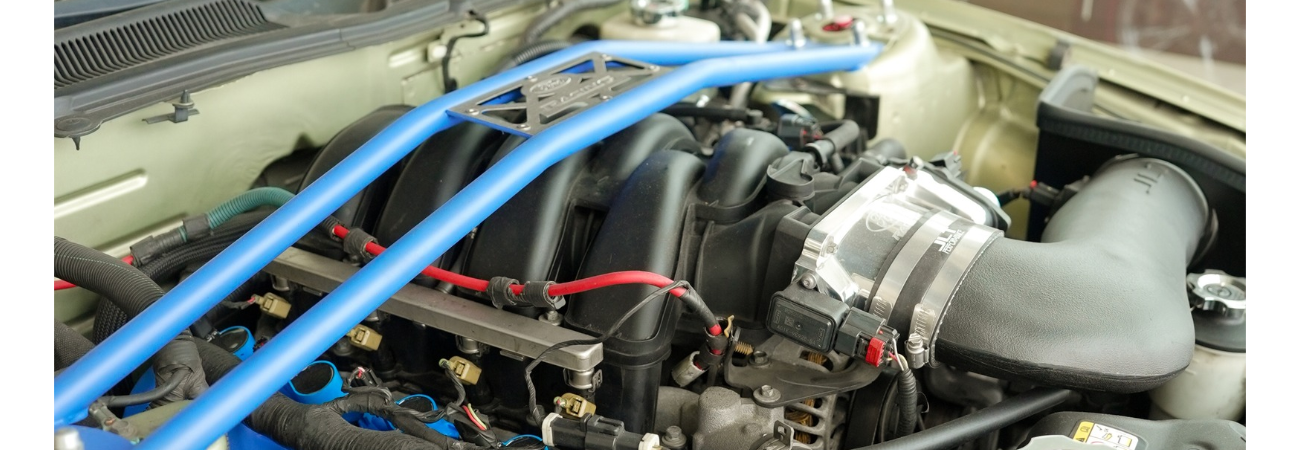
List supporting parts and calibration separately, such as a cold air intake, related installation work, and a custom tune. If you plan to use E85, ask a qualified performance tuner whether the setup calls for changes to the fuel system or fuel injectors.
Compare proposals on equal terms
Ask for itemized proposals with a clearly defined scope. Keep product descriptions, included work, and exclusions visible rather than reducing each proposal to its final number.
Separate required project work from optional choices in your own budget. Ask how the completed setup will be verified, including whether a dyno check makes sense for your car. A qualified performance tuner can help assess the calibration and project scope before you commit.
Frequently Asked Questions
How do superchargers, turbochargers, and nitrous systems differ?
Roots-type superchargers deliver boost promptly at lower RPM, while centrifugal superchargers build boost as RPM rises. Turbochargers use exhaust gas to compress intake air, and nitrous adds oxygen through a separate system.
Why should I check my Mustang's factory specifications first?
Factory specifications give you a baseline for your particular model, but they don't predict the output of a modified car. Keep that baseline separate from advertised gains and your project target.
What should I compare in power-adder proposals?
Use the same written project brief for each proposal and ask for an itemized scope. Compare included parts and work, exclusions, calibration, and how the completed setup will be verified.
What should I consider when budgeting for a power-adder build?
Set a total spending limit and list supporting parts, installation, and a custom tune separately. Forced induction and nitrous can increase engine stress and heat, so discuss the setup with a qualified professional and follow its maintenance and fuel requirements.
Choose the build that matches your Mustang
A worthwhile power-adder decision begins with an accurate description of your car and a clear reason for changing it. Factory specifications provide the baseline; your driving goals define the desired result.
Keep the complete budget and project scope visible throughout the comparison. Whether your shortlist includes a supercharger, turbocharger, or nitrous system, choose the proposal that answers your actual brief rather than the one with the most appealing headline.