

Performance Mustang Buyer's Guide: Choose Your Driving Setup
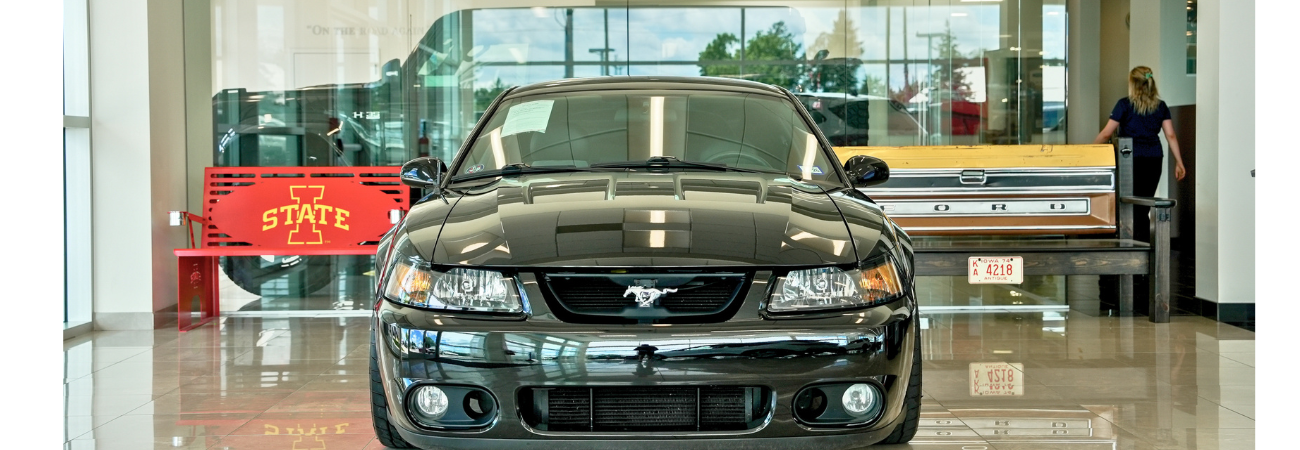
Your next Mustang should fit the miles you'll drive most, whether that's daily trips around Ames or weekends on a circuit. Street-focused, track-focused, and mixed-use performance cars call for different priorities.
Choose a Performance Mustang based on your budget, how often you'll drive it, and how much upkeep you can manage. Start with your main use, then compare complete cars instead of chasing peak horsepower.
Before choosing a trim or ordering parts, decide what you want your car to do during an ordinary week.
Key Takeaways
Choose a Mustang based on how you'll drive it most often, your budget, and the upkeep you can manage.
Compare model year, engine, transmission, condition, and installed equipment instead of relying on trim names or peak horsepower alone.
For track or mixed use, prioritize tires, brake preparation, and professional alignment before engine modifications.
Budget for ownership and driving costs, and use a test drive, service records, and a mechanic's inspection to assess the car.
Start with How You'll Drive
Give your Mustang one primary job. Occasional track plans shouldn't automatically dictate every purchase decision for a car you'll mostly drive around Ames.
Choose a street-first Mustang for everyday comfort
For everyday use, judge the Mustang in everyday situations. Spend time in the driver's seat, operate the controls, and assess its performance during ordinary acceleration.
Also, decide how much power you'll regularly use. You don't need to select the strongest engine simply because it's available. A street-first shopping list should reflect your preferences behind the wheel, including whether you enjoy shifting yourself.
Set realistic goals for track days or mixed use
Define what "track use" means before buying. Your first instructional event and a season of regular circuit driving call for different commitments.
For a Mustang you'll use on the street and track, favor a setup you can understand and manage. Make predictable handling and documented equipment priorities, rather than choosing parts solely for their advertised power gains.
Compare Mustang Trims and Factory Options
Compare cars by model year, engine, transmission, and installed equipment. Package names alone don't describe the complete vehicle, and equipment varies across years.
Match engine, transmission, and equipment to your needs
Ames Ford's automatic 2026 Mustang EcoBoost pairs a 2.3L EcoBoost engine with a 10-speed automatic. This listing gives you a clear EcoBoost example to compare with a V8 model.
Ames Ford's 2026 Mustang GT performance equipment includes a 5.0L Coyote V8, six-speed manual, and GT Performance Package. Verify the specific model-year configuration, including its Coyote V8 and installed Performance Package.
The Mustang GT listing pairs a manual with a V8, while the EcoBoost listing has an automatic. A manual gives drivers who enjoy shifting that involvement, while an automatic removes manual gear changes from your routine.
For Darkhorse searches, compare the car with the official Dark Horse styling. The Mustang GTD is a distinct, specialized model, not a direct substitute for the street-focused choices in this guide.
Ford's 2024 Mustang GT offers up to 480 horsepower and 420 lb-ft of torque. Judge the car's performance alongside its full equipment.
Give service records, condition, and documented equipment equal attention. For modified cars, ask for parts invoices and installation records. If a part is labeled Ford Performance, verify its exact name and installation documentation. Check each Mustang's equipment before you buy.
Build the right Mustang for street use, track days, or both
Choose a starting vehicle before assembling an upgrade list. Give each proposed change a clear purpose tied to your driving plan.
Prioritize tires, brakes, and alignment before adding power
For track-focused or mixed use, prioritize tires, brake preparation, and professional suspension alignment before engine modifications. Have a mechanic inspect the existing setup, then evaluate its performance before deciding what needs replacement.
For street use, choose road-oriented components rather than ordering race-labeled parts by default. Tell the mechanic how you'll use the car so recommendations fit your needs.
Also, distinguish necessary preparation from optional customization. Buying parts because another owner's build includes them can leave you paying for equipment you never planned to use.
Budget for ownership and inspect the car before you buy
Keep the vehicle price separate from the money you'll spend driving it. Otherwise, an attractive purchase can consume the budget you planned for driving.
Separate purchase costs from driving costs
Include taxes, registration, fuel, and planned tire or brake purchases in your comparison. For track plans, add event entry fees and instruction costs to your budget.
Fuel figures also help distinguish specific cars. The 2026 GT listing above gives 15 city/23 highway MPG, while the linked EcoBoost lists 22 city/33 highway MPG. These figures apply to those individual listings, not every Mustang with the same trim name.
Set aside your driving budget before paying for optional modifications.
Use a test drive and service records to spot the right fit
Drive the car in ordinary traffic when possible. Evaluate the transmission, steering response, and ease of using the controls.
During the inspection, check for:
Uneven tire wear or brake vibration
Warning lights or leaks
Service records and modification invoices
A mechanic's assessment of installed parts and fitment
A pre-purchase inspection by a mechanic familiar with performance cars is especially useful for modified or track-used Mustangs. Documented work and a sound inspection provide better buying evidence than cosmetic presentation alone.
Frequently Asked Questions
How should I choose between a street-focused and track-focused Mustang?
Start with the driving you'll do most often. Occasional track days don't need to dictate every choice for a car you'll mainly drive on the street.
What should I compare when shopping for Mustang trims?
Compare the model year, engine, transmission, condition, and installed equipment. Package names alone don't describe a car's full configuration.
What should I prioritize before adding power for track use?
Prioritize tires, brake preparation, and professional suspension alignment. Have a mechanic inspect the existing setup before deciding what to replace.
What costs should I include in my Mustang budget?
Account for taxes, registration, fuel, and planned tire or brake purchases. For track use, include event entry fees and instruction costs, and set aside money for driving before optional modifications.
Choose a Car That Fits Your Actual Driving
Buy for the driving you'll do most often. Then make focused changes for occasional track use instead of letting an ambitious parts list dictate the purchase.
Compare condition and equipment alongside the price, and leave room for the driving costs you've identified. For Ames-area buyers, the right Performance Mustang has a configuration, budget, and upkeep plan that match how they actually drive.