

Lift Kit vs Leveling Kit: Daily Driving Tradeoffs
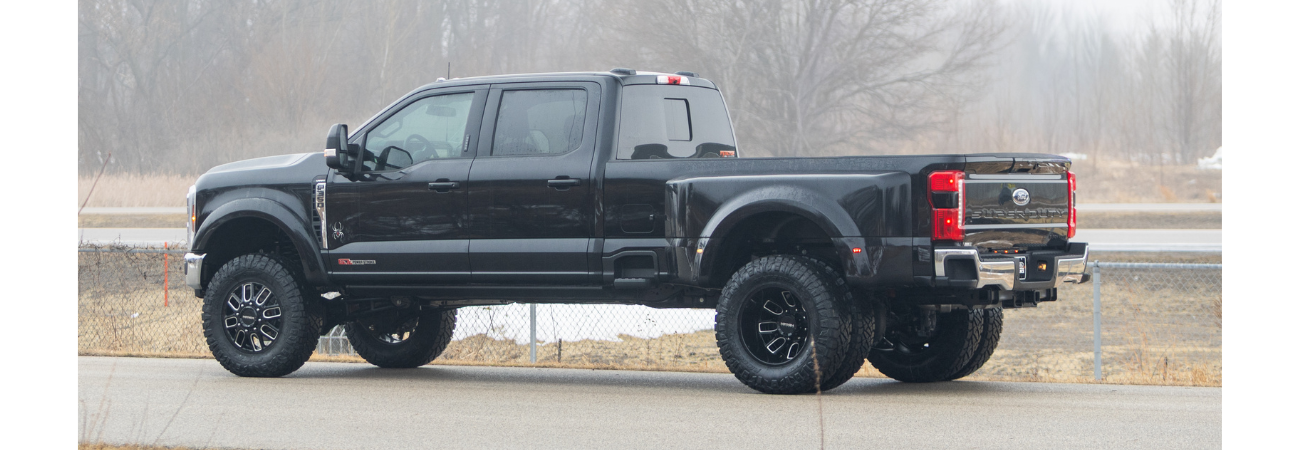
Iowa truck owners often face the same choice: correct the factory nose-down stance or build for more serious ground clearance. The lift kit vs leveling kit decision affects more than curb appeal. It changes ride comfort, steering feel, tire fitment, winter driving, towing behavior, and long-term maintenance.
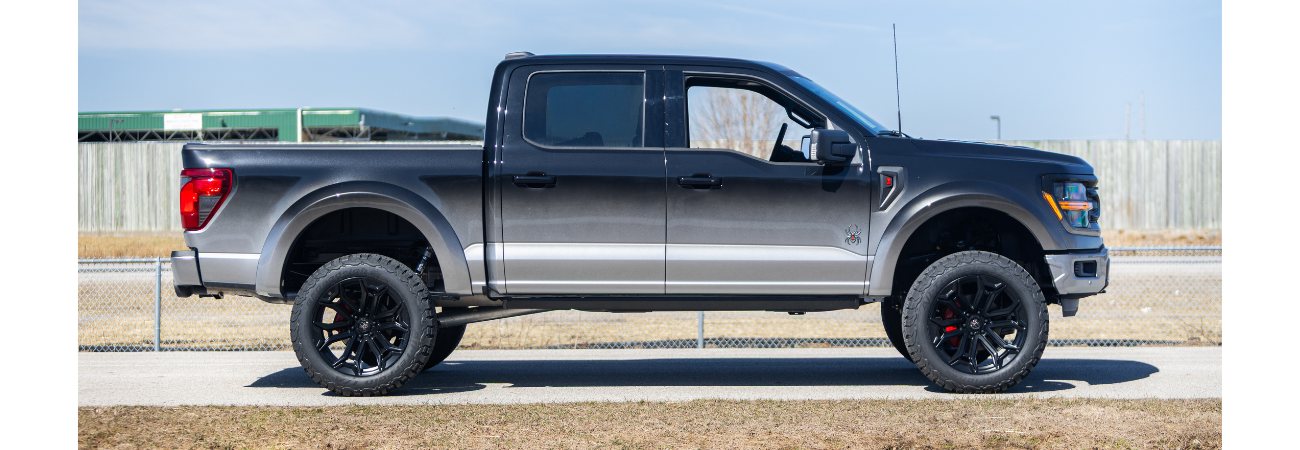
A mild front lift may suit a daily-driven F-150, while a taller suspension setup can make sense for rough farm lanes or trail use. The right answer depends on how your truck works between Monday mornings and weekend miles.
Lift kit vs leveling kit: What changes under your truck
A leveling kit raises the front of a pickup to reduce or remove the factory rake. Most trucks sit higher in the rear from the factory because they need room for cargo and trailer tongue weight. Leveling kits often use strut spacers, replacement struts, torsion keys on applicable trucks, or small spring changes.
A lift kit raises the entire truck farther from the ground. A complete suspension lift may include taller springs, matched shocks, control arms, drop brackets, steering components, and driveline corrections. Those parts help preserve suspension geometry as height increases.
The label alone doesn't tell you how a truck will drive. Lift height, truck model, tire choice, wheel offset, and installation quality matter more. A well-designed 4-inch suspension system can drive better than a poorly installed 2-inch setup.
A body lift is different. It places spacers between the frame and body, raising the sheet metal without adding the suspension travel or underbody clearance of a true suspension lift.
What a leveling kit is good at
A leveling kit is usually the lower-cost route for owners who want a flatter stance and room for a modest tire upgrade. It can give a Silverado, F-150, or Ram a more planted look without replacing much of the factory suspension.
When the kit, tires, and alignment work together, the truck may retain much of its stock ride and handling. However, it doesn't provide the same suspension travel, tire clearance, or off-road capability as a full lift. Front-end angles can also become less forgiving when a truck is leveled too aggressively.
What a lift kit adds, and what it changes
A properly matched lift kit creates more room under the frame, improves approach and departure angles, and opens the door to larger tires. That extra clearance helps on rutted trails, uneven field entrances, and deep snow.
Still, more height changes the mechanical picture. Larger tires add rotating weight, while taller suspension settings can affect gearing, braking, alignment, and driveline angles. An engineered kit with the right supporting components is a different purchase from a cheap spacer-only setup.
Ride quality and handling: The tradeoffs you will feel every day
The lift kit vs leveling kit comparison matters most once you leave the parking lot. Iowa's frost-damaged pavement, potholes, gravel roads, and highway crosswinds expose weak suspension choices quickly.
Shock quality and spring rate have a large effect on comfort. So do tire sidewall height, wheel offset, inflation pressure, and a correct alignment. A truck doesn't ride well simply because it sits taller. A taller truck can feel worse than stock if its suspension geometry, shocks, and tires do not work together.
How each setup affects ride comfort
A mild leveling kit can feel close to factory when it uses quality components and retains reasonable tire size. Yet some spacer designs reduce available droop travel, and torsion-bar adjustments can stiffen the front end. Oversized tires on heavy wheels can also make sharp pavement impacts more noticeable.
A suspension lift can ride well when the manufacturer matches springs and shocks to the truck's weight. On the other hand, bargain shocks often produce a bouncy ride on gravel or an unsettled feel over expansion joints. Heavy loads can magnify those problems.
Tire pressure matters as much as many owners expect. An aggressive all-terrain tire with a tall sidewall may soften broken pavement, while an overinflated load-range tire can make every pothole feel sharper.
Steering, cornering, braking, and towing changes
Raising a truck moves its center of gravity higher. As a result, body roll increases in corners, and quick lane changes may feel less controlled. Wider tires can improve grip on some surfaces, but heavy tires often slow acceleration and increase braking distances.
Both a leveling kit and a lift kit can change headlight aim. They can also affect trailer loading, because a level empty truck may squat more noticeably with tongue weight. A tall lift may make hitch setup and trailer stability more complicated.
Get a full alignment after installation, then inspect the truck after a few drives. Steering-wheel centering, ball-joint angles, brake-line routing, and tire rubbing deserve attention before a long highway trip or a loaded tow.
What you give up with each option, and how to choose
Cost is part of every lift kit vs leveling kit decision. Basic leveling hardware and installation commonly cost hundreds of dollars, while a complete suspension lift can reach several thousand after wheels, tires, shocks, alignment, control arms, and recalibration.
Check tire-clearance charts before ordering parts. A tire that clears while parked can rub during a full turn or when the suspension compresses.
Choose a leveling kit if your priorities are simple
A leveling kit fits owners who want to remove factory rake, run a slightly larger tire, keep familiar handling, and limit spending. It works well for trucks that spend most days on pavement and occasionally travel gravel roads or snowy driveways.
You give up some front suspension margin, and aggressive off-road use can wear front-end components faster. Confirm wheel offset and possible trimming needs before committing to larger tires.
Choose a lift kit when clearance and off-road use matter
A lift kit makes more sense when you need room for larger tires, better trail angles, or added clearance beneath the frame. It also delivers the stronger visual change many truck owners want.
Expect added cost, more complex maintenance, possible fuel-economy loss, harder entry, and greater rollover risk. Match the system to your towing needs, intended tire size, and the suspension geometry your truck requires.
Installation details Iowa truck owners should not skip
Use a reputable installer, verify torque specifications, and align the truck after the work is complete. Adjust the headlights, inspect brake lines and driveline angles, and retorque wheels and suspension hardware after the first few drives.
Winter salt, rough roads, and frequent potholes make regular inspections more important. Follow these lifted truck maintenance tips, and check warranty terms, insurance coverage, and applicable local rules before modifying your truck. Choose the smallest setup that meets your actual need.
Final Thoughts
A leveling kit usually delivers a cleaner stance and modest tire upgrade with fewer changes to daily ride quality. A lift kit brings more clearance and tire room, but it asks more of your budget, handling, and maintenance routine.
The best setup is the one that keeps your truck safe and predictable on winter roads, during towing, and over the miles you drive most. Height looks good, but sound geometry, quality parts, and careful installation matter more.