

12 Lifted Truck Maintenance Tips for New Owners
Owning a lifted truck can be an exciting adventure, but it also comes with maintenance needs. Whether you're a seasoned truck enthusiast or a first-time owner, keeping your vehicle in peak condition requires a mix of care and knowledge. In this guide, Ames Ford explores essential maintenance tips to help you ensure your lifted truck continues performing at its best.
Understanding Lifted Truck Mechanics
To properly maintain a lifted truck, it's crucial to have a solid understanding of its mechanics. Lifted trucks typically feature modifications that can alter the behavior of various components, including steering and braking systems. This change often requires additional attention when it comes to maintenance. For instance, the increased height affects the suspension’s geometry, which could impact wheel alignment. Keeping an eye on these factors ensures your driving experience remains safe and enjoyable. Ames Ford recommends getting acquainted with every modification and its implications, as this insight will serve you well.
Additionally, the lift kit in these trucks can significantly influence ride quality and performance. Understanding the type of lift kit—whether it's body, suspension, or leveling—will help identify specific maintenance tasks required for optimal functioning. Knowing how different parts interact allows you to spot potential issues before they escalate, giving you peace of mind as you navigate the trails or highways. Ames Ford believes that a well-informed owner is a successful owner, and knowledge is your best tool with lifted trucks.
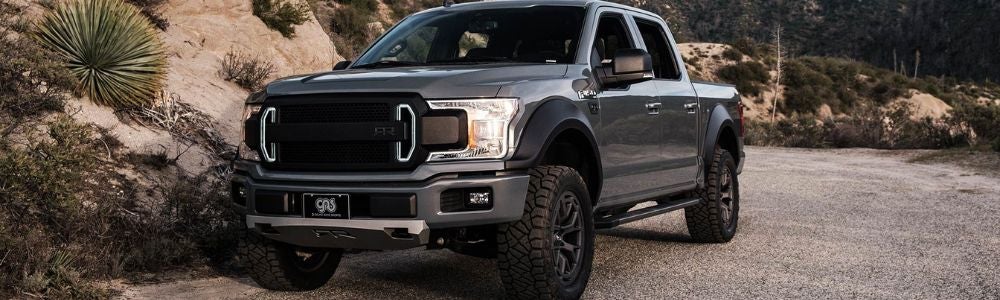
Regularly Check Your Suspension System
Your lifted truck's suspension system is vital for handling rough terrain and providing a smooth ride. Regular checks are essential not only for safety but also for performance. Start by inspecting your shocks and struts for any leaks or damage. If you notice uneven tire wear, it could indicate an issue with your suspension. Proper handling depends on a well-functioning suspension system, so addressing problems early is wise. Doing so will save you from costly repairs in the future.
Another key aspect of maintaining your suspension is paying attention to the bushings and ball joints. These components bear much stress, especially during off-road activities. Inspect them for wear and replace them if necessary. Ames Ford advises that lifted trucks often experience more stress on these parts than a standard vehicle due to their height and the angles at which they operate. By prioritizing suspension checks in your maintenance routine, you'll ensure your lifted truck remains stable and responsive.
Maintain Proper Tire Pressure
Maintaining the correct tire pressure for your lifted truck is crucial for performance and safety. Overinflated tires can lead to uneven wear and impact traction, while underinflated tires can result in excessive heat buildup and potential blowouts. Ames Ford recommends making it a habit to check your tire pressure at least once a month or more frequently if you're hitting rough trails. Use a reliable pressure gauge and adjust your tire pressure according to the manufacturer’s recommendations.
Additionally, when off-roading, consider adjusting your tire pressure for optimal handling. Lowering pressure can increase traction on soft surfaces, but remember to inflate the tires back to the recommended levels afterward. It's all about balancing performance and safety. Keeping a close eye on your tires will enhance your driving experience and extend their life, saving you money in the long run.
Change Fluids on a Schedule
One of your lifted truck’s most important maintenance tasks is changing fluids regularly. Engine oil, transmission fluid, brake fluid, and coolant are critical in keeping your vehicle running smoothly. Regular changes also keep contaminants at bay and ensure that parts operate efficiently. For lifted trucks, Ames Ford suggests establishing a stricter schedule; the added wear from off-road driving may require more frequent fluid changes than standard vehicles. Refer to your owner’s manual for specific recommendations, and adjust based on your driving habits.
Consider the differential and transfer case fluids, mainly if your truck is used for heavy towing or extensive off-roading. These fluids can degrade faster under harsh conditions, directly affecting performance. Changing them on schedule enhances the longevity of these crucial components, preventing breakdowns and costly repairs. Keeping track of your maintenance logs will help you stay organized and prompt for fluid changes, ensuring your lifted truck continues to impress.
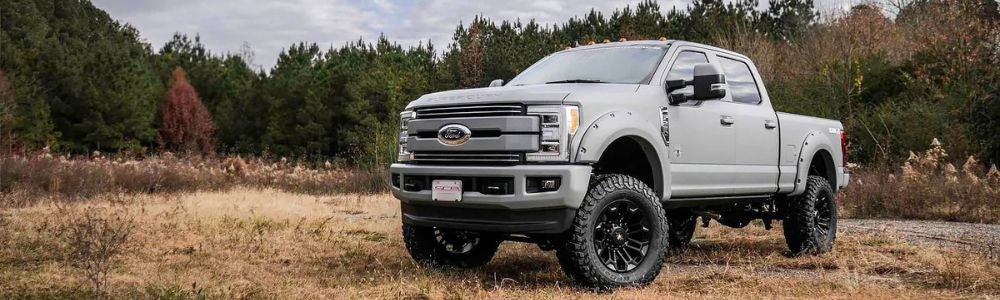
Inspect the Brake System Frequently
The brake system is one of the most vital safety components of any vehicle, including your lifted truck. Regular inspections ensure everything, from pads to rotors, functions correctly. Pay attention to any unusual noises when applying the brakes, as they can be an early warning sign of worn parts. Ames Ford recommends purchasing quality pads and rotors designed for lifted trucks, as they often need to handle more stress due to their weight and size.
Again, don't neglect the brake fluid. This vital fluid can absorb moisture over time, compromising your braking capability. Check fluid levels regularly and replace them according to the manufacturer's suggestions. Keeping your braking system in top condition enhances safety and improves overall driving performance. After all, whether you're cruising down the highway or tackling treacherous terrain, you want the confidence of a properly functioning brake system.
Check for Rust and Corrosion
Rust and corrosion can be particularly troublesome for lifted trucks, especially if you frequently expose your vehicle to rough or wet conditions. Regularly inspecting your truck's undercarriage, joints, and any exposed metal surfaces should become part of your maintenance routine. If you live in an area where road salt is typical or take your truck off-road often, the risk of rust increases significantly. Ames Ford suggests looking out for bubbling paint or flaking metal as indicators of corrosion.
If you find any rust, address it immediately to prevent further deterioration. Rust inhibitors and regularly applying a protective coating can go a long way toward safeguarding your vehicle's structural integrity. Additionally, washing your truck frequently, especially after adventures in muddy or salty environments, will further protect against corrosion. Stay proactive to preserve the beauty and functionality of your lifted truck, ensuring it remains a reliable companion for years to come.

Scheduling Professional Inspections
In conclusion, scheduling professional inspections is a fundamental part of lifted truck ownership.
Scheduling professional inspections is a fundamental part of lifted truck ownership. Even with diligent self-maintenance, having an expert evaluate your vehicle periodically can uncover potential problems and ensure everything functions properly. Professionals have the expertise and tools to spot issues that may go unnoticed during regular checks. This insight can be invaluable, especially in modified vehicles like lifted trucks requiring specialized knowledge. Ames Ford recommends choosing a mechanic who specializes in lifted trucks to ensure the best service possible.
For the best results, establish a trusted relationship with a dealership like Ames Ford for ongoing maintenance to avoid the pitfalls of inexperienced technicians. By making professional inspections part of your routine, you're investing in the longevity and reliability of your lifted truck.