

Ford Performance Warranty: What Upgrades Can Change

Performance upgrades don't automatically cancel every part of your vehicle's warranty, but they can affect coverage for a related failure. The part, written terms, installation, and cause of the problem all matter.
If you're shopping for a performance car, clear coverage terms can make your purchase feel more comfortable. A Ford Performance warranty, a package warranty, and the vehicle's original coverage aren't interchangeable. Start by separating those protections before deciding which upgrades fit your build.
Key Takeaways
An upgrade can affect coverage for related damage without removing protection for every unrelated component.
Factory warranties, performance parts warranties, and extended service contracts cover different things.
Engine tuning and added boost deserve attention because they increase demands on related components.
Written terms, installation records, and maintenance receipts help you understand your protection and support a claim.
Warranty basics for performance builds: what coverage can remain
Coverage decisions depend on the written warranty and the failure involved. A performance modification doesn't make every future repair the same kind of claim.
Factory, parts, and extended warranties cover different things
The New Vehicle Limited Warranty, also called the factory warranty, covers eligible vehicle defects under its terms. A replacement or performance part may have separate protection, while an optional Extended Service Plan has its own covered repairs and exclusions.
The plan's terms differ from the factory warranty, and coverage duration, labor, and installer requirements can vary. For example, Ames Ford's Ford parts warranty terms describe two years of unlimited-mileage coverage with limited labor costs included. That offer doesn't establish coverage for every performance component.
Ford Performance parts have terms worth checking
Ford Performance parts coverage can depend on the exact product, vehicle application, and installation conditions. Check the terms for the specific product or package, including any Performance Packs and Components.
Check the written terms to see whether installation must be done by an authorized installer, an authorized Ford dealer, or an ASE certified technician. Those terms apply to the named packages, rather than every Ford Performance product or modified vehicle.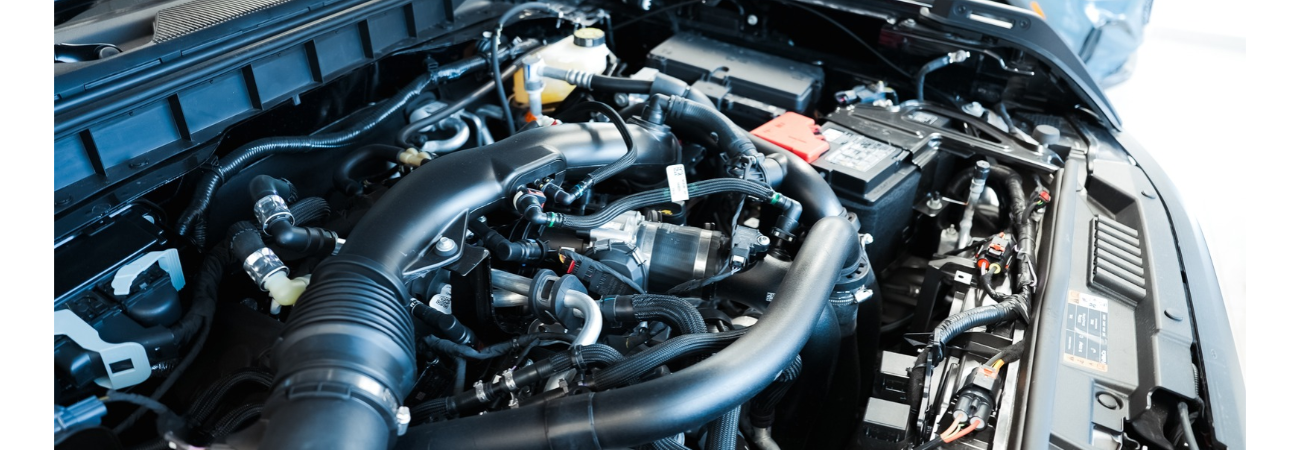
Which performance upgrades can change warranty coverage?
Judge an upgrade by the systems it affects. The changed part, installation quality, and relationship to the failure all matter when assessing a claim.
Engine, tuning, and emissions changes deserve extra care
ECU tuning changes how the engine operates. Superchargers, turbocharger kits, and power upgrade packs can increase cylinder pressure, heat, and torque, placing greater demands on the engine, transmission, and drivetrain. Follow the product's specified fuel requirements, including premium fuel or 91-octane only when its instructions call for it.
Intake and exhaust changes also deserve attention, especially when they alter sensors or emissions equipment. A part described as "bolt-on" can still change operating conditions substantially. Your repair budget should account for related components, not just the upgrade itself.
Wheels, suspension, brakes, and bolt-on parts have different risks
Suspension changes can affect alignment and steering geometry. Larger wheels or different tire sizes can change clearances and loads, while brake upgrades depend on correct fitment and installation. Check the fitment and effects of packages such as a Performance Handling Pack, and get an alignment check after relevant suspension or wheel changes.
These changes create different concerns than added engine power. Fitment of aftermarket parts, added loads, and related component wear and tear may affect a repair assessment. The accessory's own warranty and coverage for a related vehicle repair are separate questions. Unrelated repairs should receive their own assessment under the applicable written terms.
How to protect your coverage and choose upgrades with confidence
Choose upgrades around intended use, reliability needs, and a comfortable repair budget. A daily driver may call for different compromises than a weekend performance build.
Get the terms and installation plan in writing
Before authorizing work, get written answers about covered components, exclusions, labor, installer requirements, and registration. Complete registration if the product terms require it. Your purchase documents should identify who provides each warranty and when its coverage begins.
Keep the exact part numbers, proof of delivery, installation invoice, installer details, and written responses together. Verbal assurances are harder to use later, especially when several companies supply different parts of a package.
Also separate the purchase price from possible repair costs. That protection has limits, even when a package includes its own protection.
Keep service records and respond carefully to a denied claim
Follow the vehicle's maintenance schedule and any additional requirements supplied with the upgrade. Keep receipts showing dates, mileage, and work performed.
Before repairs begin, record warning messages, symptoms, and when the problem started. Ames Ford's performance Mustang buyer's guide also emphasizes parts invoices and installation records for modified cars. Consult current Ford Racing Parts materials and verify whether Ford Racing Parts Techline handles questions about your part.
If a claim is denied, request the reason in writing, including the failed component and relevant exclusion. California customers should check applicable consumer guidance for their circumstances. An unclear explanation may warrant qualified consumer advice.
Frequently Asked Questions
Will returning the car to stock restore its original condition?
Removing an upgrade doesn't reverse wear or damage that already occurred. Restoring factory hardware also doesn't establish that a later failure qualifies for warranty coverage.
Does a warranty cover track-day damage?
A warranty isn't a promise to pay for every failure during performance driving. Racing, competition, or other use exclusions can affect coverage, and an event's description alone doesn't settle how the terms apply.
Does the warranty restart when a performance part is installed?
A part's installation doesn't automatically restart the vehicle's original warranty. Separate parts or package coverage may have its own starting point, duration, and mileage limit.
Can warranty coverage transfer when I sell the car?
Transferability depends on the individual warranty or service contract. Factory coverage, a performance package warranty, and an extended contract can have different transfer provisions, so the buyer's protection may differ across those documents.
Build around the coverage you understand
Upgrades carry different risks, and warranty outcomes depend on the failure and written terms. Coverage under the Ford Performance warranty applies only to claims that meet its stated terms and conditions.
Keep coverage documents and service records alongside your build plan. The right purchase balances the performance you want with reliability needs and repair costs you can comfortably carry