

F-150 and Bronco Off-Road Tire Fitment Guide
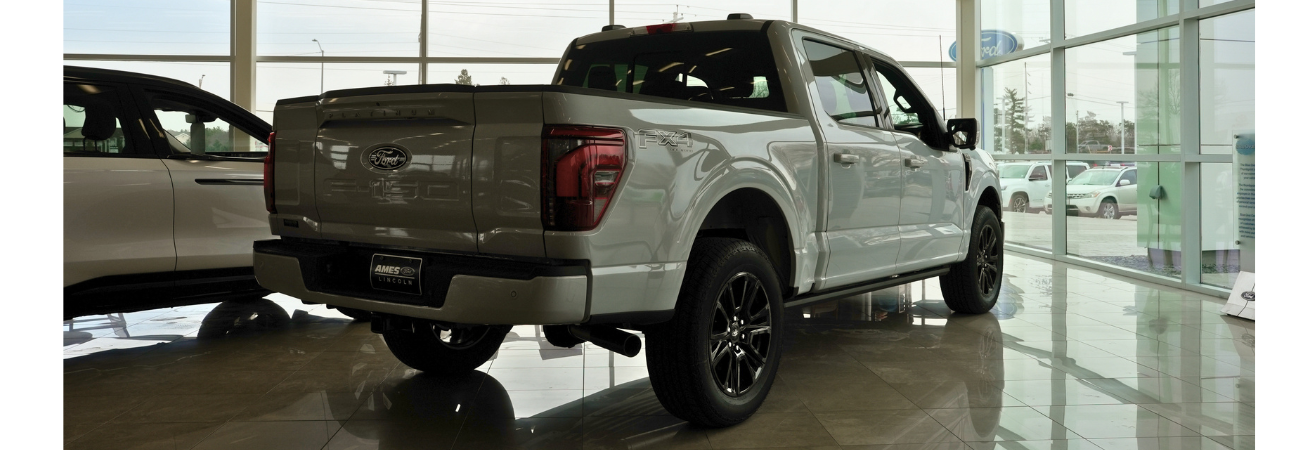
A tire can clear the driveway and still rub the first time you crank the wheel in a tight lot. That's why Ford tire options are about more than the sidewall number. Wheel width, offset, suspension height, and whether your F-150 or Bronco is truly stock all change the answer.
A tire that fits one trim may rub on another, even when the size looks the same on paper. The right choice also depends on how you drive, because daily commuting, towing, trail use, mud, sand, and mixed driving all ask for different things. Bigger isn't always better if the truck wanders, gets noisy, or chews up the liner. This guide keeps it simple and practical.
The basics that decide tire fitment on an F-150 or Bronco
Why tire size alone does not tell the whole story
A tire size tells you diameter, width, and wheel size, but it doesn't tell you where the tire sits in the wheel well. Offset and backspacing do that. More backspacing pulls the tire farther under the truck, while a lower-offset wheel pushes it outward.
That matters because the same 33-inch tire can clear one setup and rub another. A narrow all-terrain on a factory wheel often fits better than a wider tire on an aggressive aftermarket wheel. Brand shape matters too, because some tires run wide and have squarer shoulders.
How stock suspension changes what you can run
True stock means no leveling kit, no lift, and no wheel change. Even a small front level can add room above the tire. Still, it doesn't move the tire away from the liner, bumper, or rear of the front wheel well at full lock.
In other words, ride height helps, but it doesn't solve every rub point. A truck can sit taller and still rub when you turn hard or hit a dip.
What causes rubbing on the road and trail
Most rubbing starts at the inner liner, mud flap, bumper corner, or control arm. On some Broncos, the crash bars become the first contact point. Off-road, the tire can also hit during suspension compression, not only during a slow turn. On a stock truck, extra width often causes trouble before extra height does.
Common off-road tire sizes that fit stock, or close to stock
F-150 tire sizes that usually work on a stock truck
On many stock F-150s, the easy zone is the 33-inch class. Sizes near 275/70R18 or 275/65R20 often work well on factory wheels with little drama. They suit drivers who want a stronger all-terrain stance without giving up everyday comfort.
Move toward 34s and the margin gets tighter. True 35s on a stock-height F-150 often need more than luck. A factory example of a bigger off-road-ready setup is the ROUSH F-150 tire package, which runs 33-inch tires with matching wheels.
Bronco tire sizes that fit stock with the least trouble
A stock Bronco has more factory off-road room than many trucks, but trim level matters. Many non-Sasquatch Broncos are happiest in the 32 to 33-inch range on factory-style wheels. A 285/70R17 all-terrain is a common fit that stays friendly for daily use.
Sasquatch models change the ceiling because Ford built them around 35s. Base trims with smaller factory tires don't have that same margin. Two-door and four-door Broncos can also react a little differently once you add gear and trail flex. Custom builds such as the Bronco RTR tire setup show how wheel choice and more aggressive tires can change the picture.
When a wider tire looks good but can create problems
Width is often the hidden issue. A 12.5-inch-wide tire may rub sooner than a taller, narrower tire. That's even more likely when the wheel pushes the tire outward toward the liner and bumper.
Wider tires can also add steering effort, road noise, and splash. On stock wheels, a slightly narrower tire often tracks better in rain and packed snow too.
Which tire sizes rub, and which ones usually need trimming
Sizes that may rub at full lock or when the suspension flexes
Light rubbing often starts when you jump from stock-size rubber to a wider 33 or a tall 34 on a stock-height truck or SUV. You may hear it while backing up with the wheel turned, entering a driveway, or flexing on a trail.
Parking lot rub can seem minor, but trail articulation hits harder. Check it early, especially before a long trip.
When trimming becomes necessary
Trimming usually starts small. Many owners remove or trim mud flaps, reshape a plastic liner, or trim a lower bumper edge. Heat and re-positioning can help in some cases, as long as the liner stays secure.
Once you combine a larger tire with aggressive wheel offset, trimming becomes more common. If metal cutting enters the conversation, the tire is usually beyond a simple stock fit.
The warning signs that a tire is too big for stock parts
Look for shiny rub marks on plastic, scuffs on control arms, or contact at crash bars. You might also feel heavier steering at full lock or hear rubbing under braking and over bumps. Don't ignore a faint chirp when reversing with the wheel turned.
If contact shows up in normal driving, change the setup before it damages the tire. Clearance should not depend on luck.
How to choose the right Ford tire option for your driving style
Best choices for daily driving, towing, and road trips
Many F-150 owners don't need the biggest tire possible. They want a quiet all-terrain with good wet grip, stable towing manners, and decent fuel economy. That's why the smarter Ford tire option for mixed use is often a moderate 33-inch all-terrain, not a heavy mud-terrain.
A lighter tire also helps braking and ride quality. Among the tire choices most drivers compare, a road-friendly all-terrain usually gives the best balance.
Best choices for trail use, mud, sand, and rough terrain
If you spend more time off-road, tread matters as much as size. A mud-terrain or aggressive hybrid tire bites better in ruts and loose dirt, though it may add noise and raise the odds of rubbing.
Sand is a little different because flotation matters. Some drivers want more width there, but only if the wheel and suspension can clear it. Bronco and F-150 owners who run rough trails often accept those tradeoffs because traction matters more than cabin noise.
What to ask before you buy new tires
Before you buy, get clear on a few basics:
Is the truck or SUV fully stock, leveled, or lifted?
What wheel width and offset are you running?
Do you want quiet road manners, stronger trail grip, or both?
Are you willing to trim plastic parts if needed?
Those answers narrow the field fast. If you're comparing brands, sizes, and long-term upkeep, expert tire care guidance can help you protect the setup after installation. The best tire is the one that fits both the vehicle and the driver.
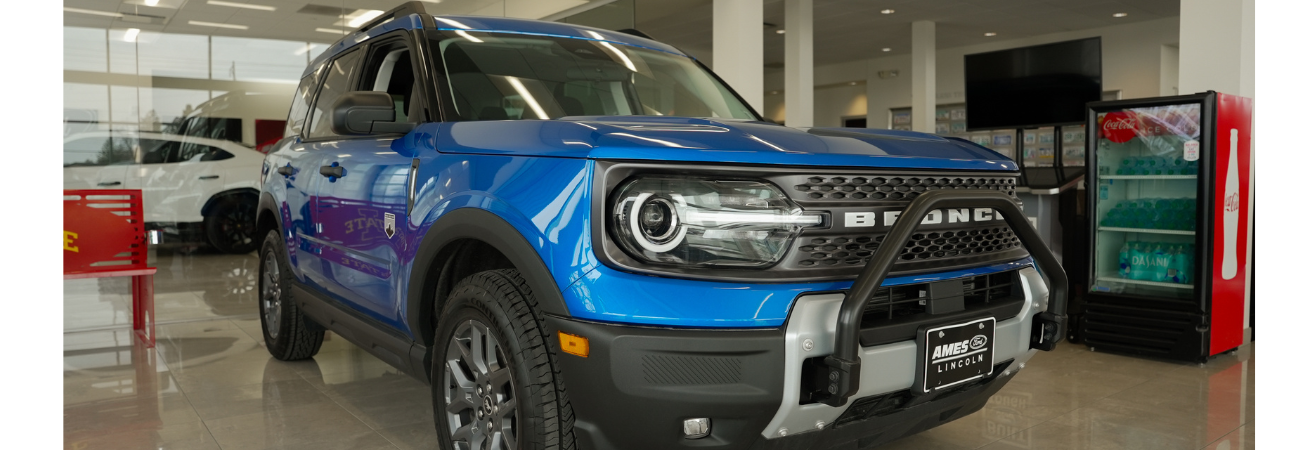
The right tire should fit your life
Stock fitment is possible on both the F-150 and Bronco, but the safe zone shrinks as tires get taller, wider, and more aggressive. Most rubbing problems start with width, offset, or a wheel that puts the tire in the wrong place.
A balanced 33-inch all-terrain is enough for many owners. Heavier trail use may justify more tire and a little trimming. Match the size to how you drive, not only to how you want the truck or SUV to look.