

EV vs Hybrid vs Gas for Rural Drivers in Iowa

Rural drivers often cover long distances, carry tools or gear, handle sudden weather changes, and live far from public chargers. That makes EV vs hybrid vs gas for rural drivers a practical buying decision, not a trend-driven one.
Electric vehicles, hybrids, and gas vehicles can fit your life well. The right choice depends on your mileage, charging access, towing needs, and budget. Ames Ford can help Iowa shoppers compare all three options and find a Ford vehicle deal that fits their daily routine.
EV vs hybrid vs gas for rural drivers: which one fits your daily miles?
Your normal driving pattern matters more than a single fuel efficiency figure. An EV uses an electric motor and can work well when you drive predictable daily miles and recharge overnight at home. It can handle trips between small towns, school runs, errands, and commuting if you begin most mornings with a full battery. Regenerative braking can recover energy during deceleration, helping extend efficiency in stop-and-go driving.
Hybrid cars reduce gasoline dependence without requiring regular charging. That flexibility can suit drivers who split time between paved highways, gravel roads, and longer trips across Iowa. Plug-in hybrids add electric-only driving, but their strongest savings depend on regular charging.
Gas cars remain a straightforward fit for unpredictable mileage, frequent highway travel, and remote routes. Refueling is quick, and stations are usually easier to find than reliable public chargers outside larger communities.
Match the vehicle to your mileage and work needs
Start with a simple record of your driving. Multiply your average weekly miles by 52, then compare that number with your longest regular day and occasional long trips. Make sure the vehicle's driving range covers workdays that include distant job sites.
Pickups, SUVs, and passenger vehicles also face different demands. Hauling feed, carrying equipment, towing a trailer, or driving through deep snow changes energy use. Cold temperatures, highway speeds, heavy loads, and towing can reduce EV performance and fuel economy. Hybrids may also rely more heavily on gasoline under demanding conditions.
Check the exact model's range, payload, towing rating, and fuel-economy figures before deciding. A Ford Ranger XLT may suit light-to-moderate truck duties, while heavier work calls for a model with ratings that match the load.
Charging access matters more than the EPA range number
Home charging changes the EV ownership experience. A dedicated Level 2 charger can replenish a vehicle overnight, but you should confirm your electrical panel capacity and get an installation estimate before buying.
Workplace charging can help, although it shouldn't be your only plan. If you depend on public charging, map dependable charging stations along your normal routes. Check charging stations near winter destinations and places you visit regularly. A DC fast charger can reduce stop time, but rural areas may have less predictable coverage away from major interstates, so plan your route.
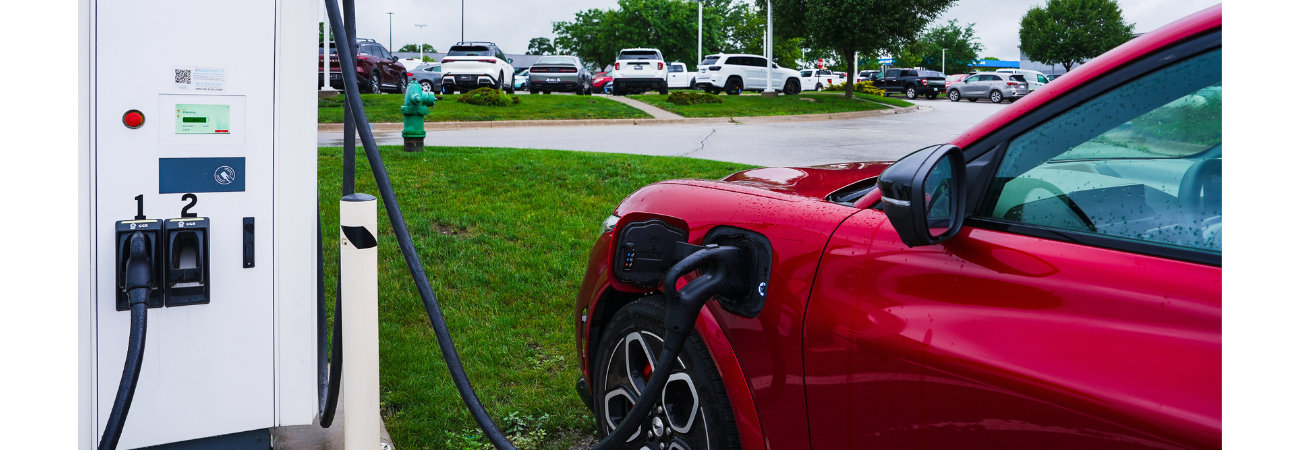
Hybrids and gas vehicles don't require daily charging plans. Vehicles with a plug-in system still need gasoline and regular access to a plug for their best electric driving results. Shoppers considering an electric SUV can compare a 2026 Ford Mustang Mach-E Premium with their actual route and charging setup.
Real ownership costs go beyond the vehicle price
The purchase price is only the first number. A fair comparison includes financing, fuel or electricity, insurance, maintenance costs, tires, charging equipment, registration, resale value, and available incentives.
Fuel costs depend on gas prices, utility rates, annual mileage, driving habits, and charging habits. Costs also vary by model and local energy rates. For example, an EV or hybrid with a higher upfront price can cost less over several years when a driver covers many miles. A low-mileage owner may not recover that extra cost as quickly. Compare estimates over the same ownership period, such as five years, instead of focusing on a monthly payment alone.
Fuel, electricity, maintenance, and winter costs in Iowa
Home charging can keep EV energy costs low, while a DC fast charger may cost more per session but reduce trip time. Hybrids often deliver better fuel economy during stop-and-go driving. A gas truck can still make financial sense for high-load work or drivers without practical charging access.
An EV's electric motor eliminates oil changes and may reduce brake wear through regenerative braking. EVs also produce no tailpipe emissions while driving. Tires, suspension parts, wiper blades, cabin filters, and scheduled inspections remain part of ownership. Hybrids and gas vehicles use an internal combustion engine, so they still need engine-related service. For long-term planning, verify battery replacement coverage through the model's warranty and manufacturer guidance.
Iowa winters add another layer. Cold temperatures can reduce an EV's driving range, while snow tires or winter-rated tires, road salt, and winter driving affect every powertrain. Budget for the vehicle you’ll use in January, not only the one that looks good on a mild test-drive day. Cold-weather range and towing performance should be checked for the exact model, battery, trailer, and route you plan to use.
The price you pay today is only part of the deal
Tax incentives, dealer incentives, financing rates, warranty coverage, trade-in value, and resale demand can change the final cost. Eligibility rules and offers can change, so confirm what applies before signing.
Ask for comparable out-the-door prices, including taxes, fees, accessories, and financing terms. Compare each purchase price with taxes, fees, incentives, financing, and expected ownership costs, not just monthly payments. Ames Ford can review current offers and help you weigh new inventory against new and certified pre-owned truck choices when upfront cost is the deciding factor.
How to choose the best Ford option for your rural lifestyle
Choose an EV if you have dependable charging access, predictable daily mileage, and limited towing needs. Hybrid cars offer a middle ground for long-distance commuters who want reduced fuel use with gasoline flexibility.
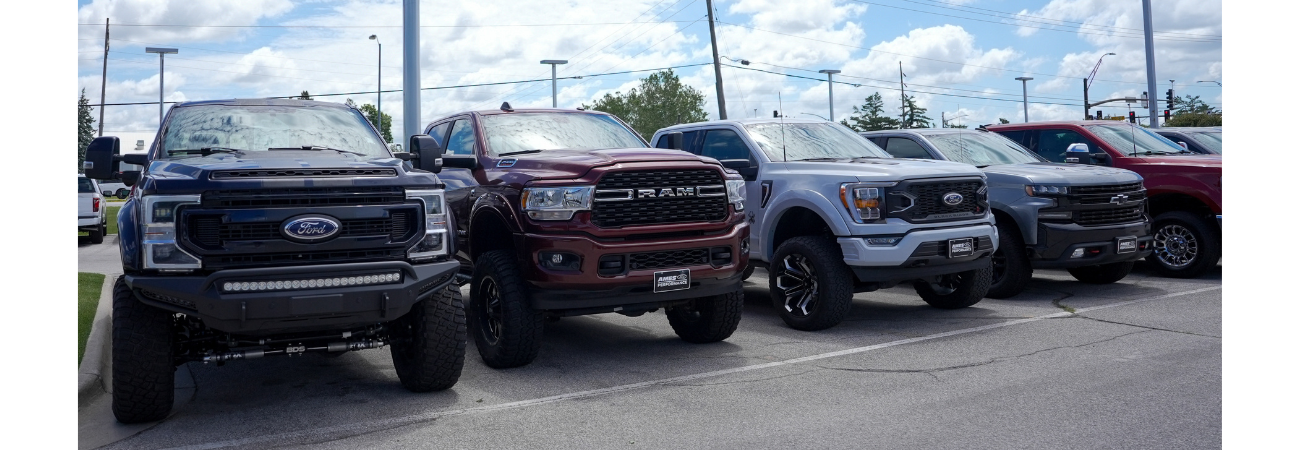
A traditional gas car is often practical for remote travel or drivers who need straightforward refueling. For demanding trailer work, review the ratings on a Ford F-350 Super Duty before deciding. Towing, payload, axle ratio, cab, and drivetrain can affect suitability.
Before you shop, write down:
Your average daily miles and longest regular trip.
Your home's electrical setup and likely charger installation cost.
Your yearly fuel budget, cargo needs, and towing requirements.
Typical winter weather and how long you plan to keep the vehicle.
Questions to ask before visiting an Iowa Ford dealership
Bring practical questions to the dealership. Ask which models meet your payload and towing needs. Ask what fuel economy to expect from the exact configuration, winter conditions, and typical load.
Also ask which incentives and financing offers apply, what the upfront cost will be, and how your trade-in changes the final price. Ask about maintenance costs over several years, warranty coverage, service support, and vehicle reliability in the conditions you expect to face.
If environmental impact matters, ask how each powertrain compares for tailpipe emissions. Test-drive more than one option when possible, then compare ownership costs over the same time frame.
Compare Every Option Before You Commit
A side-by-side comparison keeps the decision grounded in your real needs. Ask Ames Ford to price each powertrain with the same down payment, financing term, annual mileage, and expected use.
That approach makes tradeoffs easier to see. You can compare daily practicality, work capability, and ownership expenses without guessing which option fits best. This process can also make the final decision and common questions easier to address.
Frequently Asked Questions
Is an EV practical for rural driving in Iowa?
An EV can work well when you have dependable home charging, predictable daily miles, and limited towing needs. Cold weather, highway speeds, heavy loads, and long rural routes can reduce driving range, so compare the exact model with your regular trips.
Are hybrids a good choice for Iowa rural drivers?
Hybrids can suit drivers who want better fuel economy without depending on public charging. They offer gasoline flexibility for long trips, gravel roads, and remote routes while still using less fuel in many driving conditions.
Should I choose a gas vehicle for towing and hauling?
A gas vehicle may be the practical choice for frequent towing, heavy loads, and travel through areas with limited charging access. Review the exact model's towing rating, payload, drivetrain, and expected fuel economy before buying.
How should I compare the total cost of an EV, hybrid, and gas vehicle?
Compare the purchase price, financing, fuel or electricity, maintenance, insurance, tires, charging equipment, incentives, and resale value over the same ownership period. Include winter driving and your expected annual mileage so the estimate reflects how you will use the vehicle in Iowa.
Final Thoughts
Rural drivers should consider miles, access, work demands, weather, and total cost, not fuel type alone. EVs can offer lower energy and maintenance costs when routes are predictable and home charging is convenient. Hybrids provide flexibility, while gas-powered vehicles remain useful for towing, hauling, and remote travel.
Iowa shoppers can compare all three options at Ames Ford and ask the team to help find the best fit for their budget and daily needs.