

New Truck vs Certified Pre-Owned Truck
New Truck vs Certified Pre-Owned Truck: When CPO Is the Safer Buy in Iowa
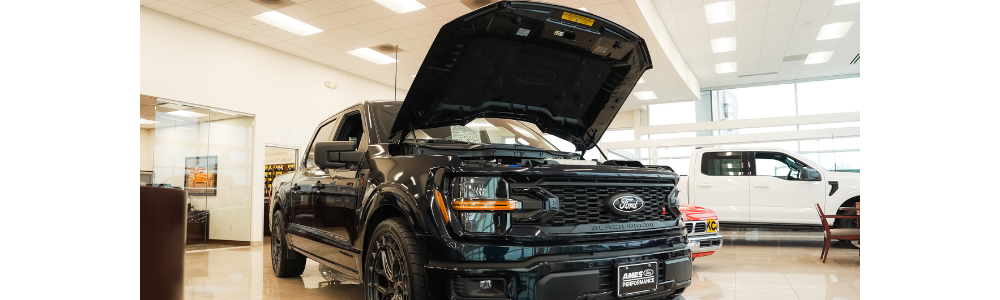
Buying a truck in Ames isn’t just about paint color and screens on the dash. It’s about getting through a February cold snap, pulling out of a drifted driveway, and trusting your brakes when I-35 turns slick.
That’s why the choice between new and certified pre-owned isn’t “good vs bad.” It’s about which one fits your work, your budget, and how much risk you’re willing to carry.
A Certified Pre-owned Ford Truck is often the sweet spot for Iowa drivers who want a newer truck with extra peace of mind, without stepping all the way up to a new-truck payment. “Certified” in plain language means it’s a used truck that’s been checked more deeply, brought up to set standards, and paired with warranty coverage. For lots of people, that’s what makes it feel like the safer buy.
New truck vs certified pre-owned in Iowa, what “safer buy” really means
In truck shopping, “safer buy” usually has less to do with crash tests and more to do with lower risk. Think fewer surprise repairs, clearer history, and costs you can plan around.
A new truck can be a safe buy because everything is fresh and covered. A certified pre-owned truck can be a safe buy because it’s already proven itself, then verified and backed with added protection. Both can be smart choices at Ames Ford, depending on what you need most.
Here’s a quick checklist to keep in your back pocket:
Warranty: What’s covered, and for how long?
Inspection: Was it checked to a standard, or just “looked over”?
History: Do you know where it’s been and how it was maintained?
Price and payment: Can you afford it without squeezing other needs?
Work and weather features: 4x4, towing, tires, heat, and visibility matter here.
How Iowa driving conditions change the math
Iowa is hard on vehicles in a way you can’t always see on a quick walkaround.
Road salt and brine can speed up corrosion, especially under the body. Freeze and thaw cycles open up potholes that punish suspension parts, wheels, and alignment. Gravel roads can chip paint, crack windshields, and beat up tires faster than city miles.
Then there’s the “between towns” reality. A truck that runs great in a dealership lot still has to handle long stretches where help isn’t right around the corner. That’s why inspection quality, tire and brake condition, and warranty coverage carry extra weight here. When it’s 10 below and your battery gives up, “I’ll deal with it later” stops being a plan.
New truck strengths that still matter for some drivers
A new truck has real advantages, and they’re not just about the new smell.
You get the newest safety and driver assist options available for that model year, plus a full new-vehicle warranty and the comfort of being the first owner. If you want a very specific trim or you need a certain configuration for a job (like a particular axle ratio, bed length, or upfit plan), buying new can make the process simpler.
New also makes sense if you plan to keep the truck for a long time and you want to control the entire maintenance story from mile one. And if you tow heavy often, the latest towing tech and cameras can be a practical upgrade, not a luxury.
What a Certified Pre-owned Ford Truck includes, and why it can be safer than a regular used truck
A certified pre-owned truck is not the same thing as a typical used truck on a lot. It’s a used truck that has to meet tighter standards, then it’s supported by warranty coverage that a standard used vehicle may not include.
In one sentence: New is brand-new ownership and full new coverage, used is sold as-is or with limited dealer coverage, and CPO sits in the middle with added checks and added protection.
If you’re shopping for a crew cab that can handle family life and work days, start by looking at Certified pre-owned crew cab trucks at Ames Ford. Seeing the options side by side makes the “new vs CPO” decision feel a lot less abstract.
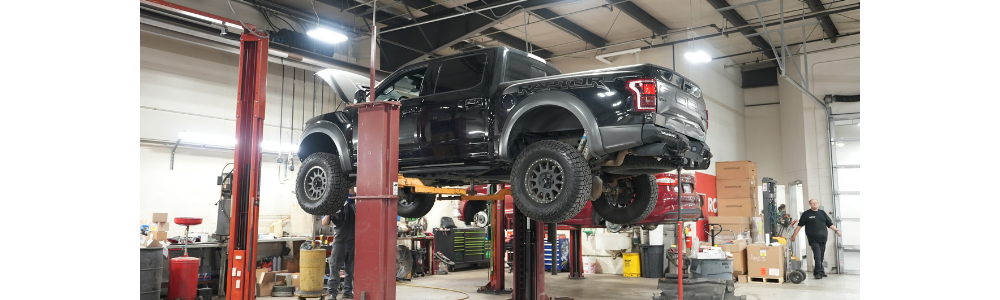
CPO inspection and reconditioning, what gets checked and why it matters
A good certification process focuses on the stuff that costs money and causes stress when it fails. It also targets items that matter more in a state with real winters.
While exact checklists vary by program and vehicle, a certification-style inspection typically looks at:
Engine and transmission operation: You want smooth shifts, consistent power, and no warning lights. In cold weather, small issues can show up fast.
Brakes and tires: Worn pads and thin tread are common pain points in winter. Tires that are “fine” in July can be sketchy in January.
Steering and suspension: Potholes and gravel roads can loosen parts and throw off alignment. A tight front end and stable ride help on icy patches and rutted county roads.
Battery and charging system: Subzero mornings expose weak batteries. A truck that starts strong when it’s warm might struggle when it’s truly cold.
Fluids and leaks: Oil, coolant, transmission fluid, and brake fluid condition matter for reliability. A slow leak becomes a big one at the worst time.
Lights, wipers, and visibility: Short winter days and blowing snow make good lighting a safety issue, not a preference.
HVAC and defrost: Heat that’s just “okay” won’t cut it when windows fog and roads glaze. Strong defrost and steady cabin heat are the difference between comfort and white-knuckle driving.
Tech and camera systems: Backup cameras, sensors, and towing-related electronics should work as intended. When you’re hooking up a trailer in the dark, you don’t want surprises.
Reconditioning is the part people forget. If something doesn’t meet the standard, it gets brought back in line. That can mean replacing wearable items, fixing known issues, and making sure the truck is ready for daily use, not just ready for a test drive.
Warranty coverage and roadside help, the stress reducer for Iowa drivers
The reason many shoppers call CPO the “safer” buy is simple: warranty-backed repairs can turn a scary surprise into a scheduled service visit.
A typical used truck might be dependable, but if something fails, you’re usually paying out of pocket. With a Certified Pre-owned Ford Truck, you’re often getting coverage that helps protect you from certain repair costs, which makes budgeting easier.
This matters more in Iowa because breakdowns don’t always happen near your driveway or during business hours. Roadside help can be a real relief when you’re stuck on a cold day, especially if you’re hauling tools, kids, or a trailer.
Before you buy, ask the dealer to walk you through what’s covered and what’s not. Get the details in writing. A good warranty should feel clear, not confusing.
When CPO is the safer buy in Iowa, real life situations
CPO makes the most sense when you want a newer truck and lower risk, but you don’t want the full price jump of new. Here are a few situations that come up all the time around Ames, Story County, and the smaller towns nearby.
You want lower risk than used, but a lower payment than new
A CPO truck often lands in the middle of the price range. You may get a newer model year than many standard used options, plus certification checks and warranty coverage that can reduce risk.
That payment difference can also fund the things Iowa owners actually use:
Winter tires or better all-terrain tires
A bed liner or tonneau cover
Mud flaps for gravel roads
Trailer brake controller or towing accessories
In other words, CPO can free up money for the gear that makes day-to-day life easier, while still giving you a truck that feels trustworthy.
You drive a lot, commute between towns, or tow in all seasons
If you rack up miles, the value of inspection and warranty coverage goes up. More miles means more wear, and wear finds the weak link.
Towing adds another layer. A truck can be “fine” until it’s asked to pull a load in a headwind on a cold day. That’s where brakes, cooling performance, transmission behavior, and suspension condition matter.
If your truck life includes trailers, winter highways, or early-morning starts, these features are worth prioritizing:
4x4 capability (or a setup that fits your traction needs)
Tow package (matched to what you actually pull)
Backup camera (and tow camera features if equipped)
Heated mirrors (visibility matters in snow and slush)
Remote start if available (comfort, and quicker defrost)
A Certified Pre-owned Ford Truck can be a strong fit here because it often gives you newer features than an older used truck, while still keeping the budget more grounded than new.
You need a truck now, but you still want confidence in what you are buying
Sometimes you’re replacing a truck that just died, or your work situation changed fast. Waiting weeks or months for the exact new build isn’t always realistic.
CPO can shorten that timeline without forcing you into a “hope for the best” used purchase. You can shop what’s available, verify condition, and still have warranty coverage in your corner.
Before you sign, review a few items that tell you a lot:
Vehicle history report details
The certification checklist and what was reconditioned
Warranty terms and any exclusions
Remaining tire tread depth and tire age
Brake condition (pad life, rotor wear)
Whether open recalls were addressed
A careful review takes a little time, but it can save you a lot of hassle later.
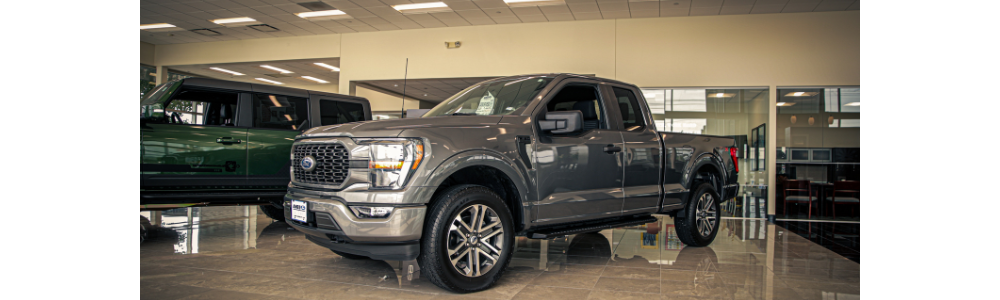
Quick decision guide at Ames Ford, questions to ask before you choose new or CPO
The easiest way to get this decision right is to compare two trucks you’d actually buy. One new, one CPO, similar size and purpose. Then ask questions that reveal real costs and real fit.
A dealership team should be able to help you compare options without pressure. The goal isn’t to “win” the decision, it’s to avoid buying the wrong truck for your life.
Ask these questions before you test drive
What do I tow, and how often?
How many miles do I drive per year?
What are my must-have features for winter driving?
What’s my comfortable monthly budget range?
Do I need 4x4, or will the right tires and setup do the job?
What warranty coverage comes with this truck, and what’s excluded?
What reconditioning work was done during certification?
How old are the tires, and what’s the tread depth?
What’s the brake condition right now?
What’s the out-the-door total, including fees and taxes?
Write your answers down. It keeps the decision clean when you’re looking at two trucks that both feel good behind the wheel.
Simple rule of thumb, which path fits you best
Choose new if you want the newest options, you plan to keep the truck long-term, and you want full new-vehicle coverage from day one. New is also a strong choice when you need a very specific configuration or upfit plan.
Choose a Certified Pre-owned Ford Truck if you want peace of mind with a lower upfront cost, you like the idea of warranty-backed protection, and you’d rather not pay for the biggest first-year value drop. For many Iowa drivers, that mix feels like the safest financial move.
Conclusion
A new truck and a certified pre-owned truck can both be smart buys in Iowa. The best choice depends on how you drive, what you haul, and how steady you want your costs to be.
CPO often wins as the safer buy when you want lower risk through inspection standards, warranty coverage, and a clearer vehicle history, without taking on a new-truck payment. Compare new and CPO side by side at Ames Ford, bring a short list of needs (towing, winter driving, budget), and pick the truck that fits your daily life, not just your driveway.