

Best price up front" at a dealership: what's included and how to compare quotes
Car pricing can feel muddy fast, especially when you're building a vehicle and collecting quotes from more than one store. One dealer gives a low number, another gives a monthly payment, and a third says they have the "best price up front." That phrase should mean a clear starting number, not a fuzzy promise.
For Iowa shoppers, the goal is simple: know what the quote includes, know what it leaves out, and compare the same deal on paper. If you're ordering a vehicle, that matters even more because one missing option can throw off the whole comparison.
What is usually included in a "best price up front" quote
A "best price up front" quote often starts with the vehicle's selling price before taxes and state fees. In other words, it's usually the store's price on the vehicle itself, not always the full drive-away number.
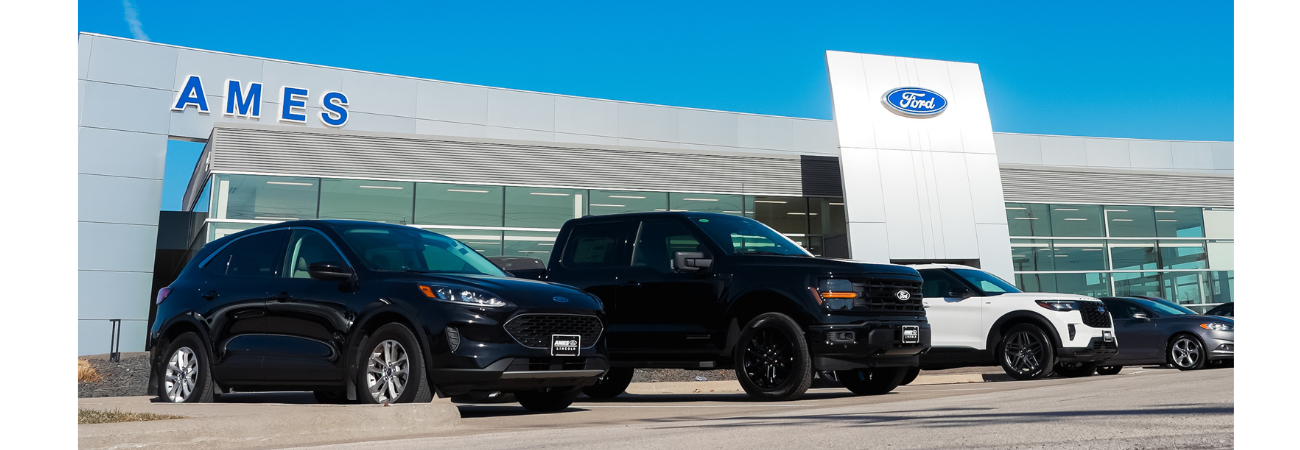
That's still useful. A clean starting price helps you compare dealers without playing guessing games. For example, best price upfront at Ames Ford is presented as transparent pricing, but the site also notes that tax, title, license, and documentation charges may be separate unless shown in the final breakdown.
Vehicle price, factory options, and destination charges
First, make sure the quote matches the exact vehicle you want. That means the same model year, trim, drivetrain, color, and factory equipment.
If you're ordering, the build sheet matters more than the headline price. Packages, standalone options, and destination charges can change the total by thousands. A quote for an XLT with one package is not the same as an XLT with two added features and a different axle ratio.
So ask for proof that the quote matches your build. A VIN may not exist yet on a custom order, but an order summary should. If the vehicle is already built or in transit, ask for the window sticker or VIN details. That way, you can confirm the equipment line by line.
Dealer discounts, rebates, and trade-in value
Next, look at discounts and rebates. Some dealers show both in the same quote. Others list only the dealer discount and leave rebates for later. A few mix everything together, which makes the price look lower than it really is.
Rebates also come with strings. You may need to qualify based on ZIP code, financing type, lease program, military status, college status, or other offers. Because of that, a rebate is only real if it applies to you.
Trade-in value should stay separate from the new vehicle price. If one dealer adds a strong trade number into the quote and another does not, the first quote can look better even when the new vehicle costs more. Keep those pieces apart so you can see what's happening.
What may not be included, and where buyers get surprised
A low quote can still be honest, but it may not be complete. The trouble starts when a shopper thinks a vehicle price is the same as the total due.
That gap is where confusion lives. It also creates the most frustration for buyers who thought they were comparing apples to apples.
Taxes, title, registration, and dealer fees
Unless the quote says "out-the-door price," taxes and state fees may come later. In Iowa, that can include sales tax, title fees, registration, and local costs that change the final number.
Documentation fees also matter. They are part of the real deal, even if they are not part of the advertised price. That's why a line-by-line quote is stronger than a screenshot or a text with one number.
If a quote isn't itemized, it's not ready to compare.
Ask for the full breakdown instead of a monthly payment. Monthly payments can hide a higher price, a larger down payment, or a longer loan term. A clean quote should show each charge on its own line.
Add-ons, accessories, protection products, and financing costs
This is another spot where totals can move. Common extras include window tint, wheel locks, all-weather mats, paint protection, service contracts, GAP, credit life products, and aftermarket accessories.
Some buyers want those items. Some don't. Either way, they should be listed separately, not folded into the vehicle price.
Financing costs belong in their own lane too. Interest rate, loan term, and down payment shape the payment, but they do not change the vehicle's selling price. Compare the vehicle price first, then compare financing. Keeping those pieces separate makes the math much easier.
How to compare dealership quotes the smart way
The smartest comparison is also the simplest. Match the vehicle, match the terms, and match the timing.
That matters even more if you're ordering through a start a custom vehicle order process, because small build differences can turn into big price differences.
Use the same vehicle build, the same terms, and the same timing
Start with the exact same build. Match the model year, trim, drivetrain, packages, color, and options. Then match the finance or lease structure, including down payment and term.
Timing also matters because incentives can change month to month. A vehicle ordered today may arrive under a different rebate program later. Therefore, don't compare one quote using this month's offers against another quote based on next month's assumptions.
The takeaway is simple: a fair comparison needs the same inputs.
Ask for the out-the-door price and a written itemized quote
A written quote is your best tool. Ask for the selling price, rebates, fees, taxes, registration, accessories, and optional products on separate lines.
Then place quotes side by side. If one store won't put the numbers in writing, that tells you something. Clear dealers make comparison easy because they know the numbers can stand on their own.
You can also learn a lot from live pricing examples. A listing like 2026 Ford Explorer Tremor upfront pricing shows how a dealer may separate upfront price from available Ford offers. That makes it easier to see what is baked in and what still depends on eligibility.
Look beyond the lowest number and judge the full buying experience
The cheapest first number is not always the best deal. A quote loses value when it's incomplete, slow to update, or packed with surprise products later.
For custom orders, accuracy matters as much as price. You want a store that keeps the build straight, explains timing clearly, and gives a fair trade appraisal when your vehicle arrives. Good communication saves stress during the wait.
That's where a trustworthy dealership earns its place. If the quote is clean, the order matches, and the team is easy to work with, the whole process feels lighter. For many Iowa buyers, that kind of clarity is worth more than chasing a number that shifts later.
"Best price up front" should make buying easier, not harder. The key is to confirm what the quote includes, ask what it leaves out, and compare written out-the-door numbers on the same vehicle.
If you're building a Ford in Iowa, work with a dealership that gives clear pricing, accurate order details, and steady communication from build to delivery. Ames Ford is a strong place to start because the process is easier when the numbers are upfront and the details stay consistent.