

Winter-Proofing a Lifted Truck in Iowa: Rust Prevention and More
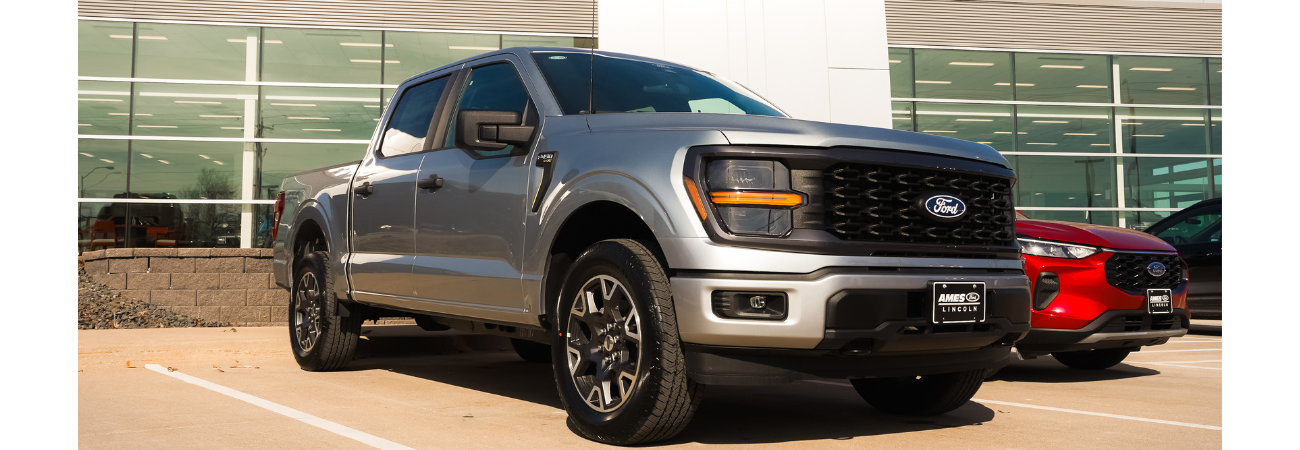
Iowa winter doesn't play fair. One day it's dry and sunny, the next it's slush, gravel, and salt brine that sneaks into every seam. If your truck is lifted, that spray hits more parts underneath, and it sticks. Add freeze-thaw cycles and you get a perfect recipe for rust, shaky traction, and worn tires.
The good news is you don't need a complicated plan. You need a clean starting point, the right rust protection, a realistic salt wash routine, and tires that match how you drive. Finally, you need a truck winter service check before the first big freeze (and a follow-up if winter gets rough). This guide keeps it simple and Iowa-practical.
Stop rust before it starts, protect the frame, bolts, and underbody
Lifted trucks are tougher in some ways, but winter exposes their weak spots. More height means more airflow, more road mist, and more salty spray across the frame, suspension brackets, and aftermarket parts. If your lift kit includes new hardware, brackets, or drilled mounting points, those fresh edges can rust fast if they stay wet.
Start with a clean baseline and a quick inspection
Start on a mild day when the truck is dry. In about 10 minutes, you can spot problems early and save real money later.
Look for surface rust, chipped paint, and packed mud that never dries. Check the wheel wells and fender liners too. Loose liner clips let slush fling behind the liner where you can't see it. Inside the cab, feel the carpet near the door sills. Wet carpet can mean clogged drain paths, which keeps moisture trapped.
Pay close attention to these trouble spots:
Frame rails and crossmembers
Cab corners and rocker panels
Bed crossmembers and the spare tire area
Brake and fuel lines
Hitch receiver, skid plates, and suspension brackets
Take a few photos with your phone. Then, compare them monthly. Rust is like a small crack in a windshield, it only gets bigger if you ignore it.
If you want a broader maintenance baseline for lifted setups, these lifted truck maintenance tips are worth a read before winter hits.
Quick rust-prep checklist (once in fall, then mid-winter if needed):
Rinse mud off the underbody and wheel wells
Clear drain holes (rockers, doors, bed areas you can access)
Touch up obvious paint chips on exposed metal
Re-tighten any loose fender liner clips or splash shields
Note any new rust spots with photos
If you can't rinse it, you can't protect it. Dirt and salt hide the problem and keep metal wet.
Choose the right rust protection, oil based spray, wax film, or undercoating
Rust protection isn't one product, it's a choice based on how you drive and what shape the underbody is in.
Oil-based sprays and wax film coatings creep into seams and around bolt heads. That "creep" matters on lifted trucks, because brackets, bolt stacks, and drilled holes create extra edges for salt to attack. These coatings also tend to be easier to touch up if you rinse often.
Rubberized undercoatings can look clean, but they come with a big warning. If someone sprays it over existing rust or trapped moisture, it can seal in the problem. That's when rust keeps growing out of sight.
No matter what you choose, protect aftermarket suspension parts and hardware, but avoid spraying these areas:
Brake rotors and pads
Belts and pulleys
Exhaust sections that get very hot
Sensors and electrical connectors up close
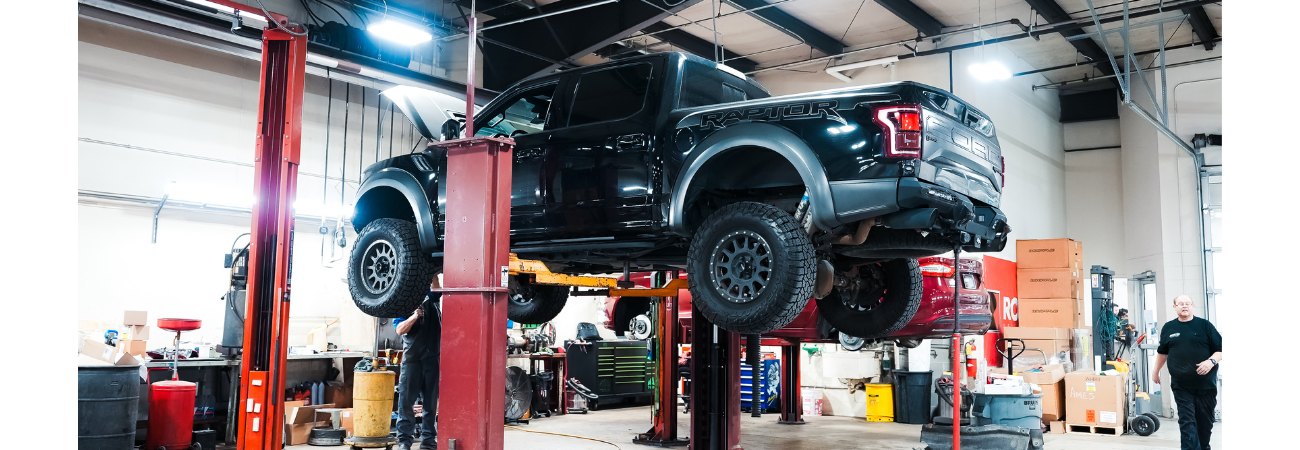
Most coatings need reapplication about once a year. If you drive a lot of highways after storms, a mid-season touch-up can help. Many owners fold this into a seasonal truck winter service, because the truck is already on a lift and easy to inspect.
A salt wash routine that actually works in Iowa slush season
You don't need a spotless truck all winter. You need a plan that keeps salt from living on your undercarriage for weeks. In Iowa, the worst rust days often come when temperatures bounce above and below freezing. Salt brine stays wet, then it dries into crust, then it melts again.
How often to wash, a simple schedule based on storms and temperature
Aim for "often enough," not perfect. Use these rules of thumb:
Wash within 24 to 48 hours after heavy salting, especially if you drove highways. Also wash when temps rise above freezing, because that's when crusted salt turns back into wet brine and starts creeping.
If you're short on time, do a quick undercarriage rinse and leave the full soap wash for later. Ten minutes of water under the truck beats waiting two weeks for a warm Saturday.
Rural gravel roads and farm lanes add another problem. Mud mixed with salt sticks like mortar. It also packs into skid plates, inside wheels, and on suspension arms. If you run those roads, rinse sooner, even if the truck "looks fine" from the outside.
Best way to wash a lifted truck, underbody first, then wheel wells, then paint
A lifted truck is easier to wash underneath, so use that advantage. Here's a simple order that works:
Pre-rinse the whole truck to knock off loose grit.
Flush the undercarriage first (frame rails, crossmembers, spare area, hitch).
Rinse wheel wells and liners, then behind mud flaps if you have them.
Rinse suspension parts (control arms, brackets, shocks), from a safe distance.
Soap and wash the paint last, because you don't want salt water dripping onto clean panels.
Final rinse, then dry door jambs and tailgate seams with a towel.
A sprinkler-style undercarriage washer works well at home. A car wash with an underbody blast is also effective, especially after storms. Either way, don't put high pressure right up against electrical connectors. Water gets in, then freezes, and you've traded rust prevention for a headache.
One extra tip that helps in Iowa: open the tailgate, hood, and fuel door area and rinse those seams. Salt likes to settle where panels overlap.
Winter tire picks for lifted trucks, plus pressure and alignment tips
Tires do more than "get you moving." They help you stop on ice, hold a line in slush ruts, and stay calm on cold dry pavement. Lifted trucks also place different loads on tires, so choosing the right type and keeping them maintained matters.
Pick the right tire type for how you drive, winter, all weather, or aggressive all terrain
Before you buy, be honest about your routes. Des Moines commuting and rural blacktop are different worlds. So is towing on icy mornings.
Mud-terrain tires often feel confident in deep snow, but they can be sketchy on ice. Big lugs don't always help on slick intersections.
Also check the load rating and speed rating for your truck. Finally, choose a size that won't rub at full lock and suspension compression. Rubbing isn't just annoying, it can chew liners and expose metal to salt.
If you want help picking and installing the right set, start with tire care advice or schedule tire replacement in Ames IA with a shop that works with trucks every day.
Set pressure for cold snaps and keep alignment in check after lifts
Cold weather drops tire pressure. Big temperature swings can move it enough to change handling, traction, and tread wear. Check pressure weekly during cold snaps, and always check it before a long highway trip. Use the pressure that matches your tire and load needs, not the "max" printed on the sidewall.
Keep an eye out for feathering or cupping. Those patterns often point to alignment or worn suspension parts, which lifted trucks can be more sensitive to. Get an alignment after any suspension change, and re-check it if steering feels off after pothole season.
This is also where a truck winter service earns its keep. A good visit includes a battery test, brake check, coolant strength check, wipers and washer fluid, plus a tire and alignment look. You get fewer surprises on the first sub-zero morning.
Winter failures usually aren't sudden, they're ignored warnings that got cold.
Conclusion
Winter-proofing a lifted truck in Iowa comes down to three habits: rust protection that matches your setup, a salt wash cadence you can actually keep, and tires that fit your roads and your driving style. Set a reminder to rinse after storms, and snap monthly underbody photos so you can catch rust early.
Before the first big freeze, schedule a truck winter service and ask for an underbody inspection, tire check, and battery and brake test. If you're buying or leasing your next lifted truck, or you want your current one ready for whatever March throws at Iowa, Ames Ford can help you plan the right service and tire setup.