

Ordering a Custom Ford in 2026: Timelines, Deposits, and Delays
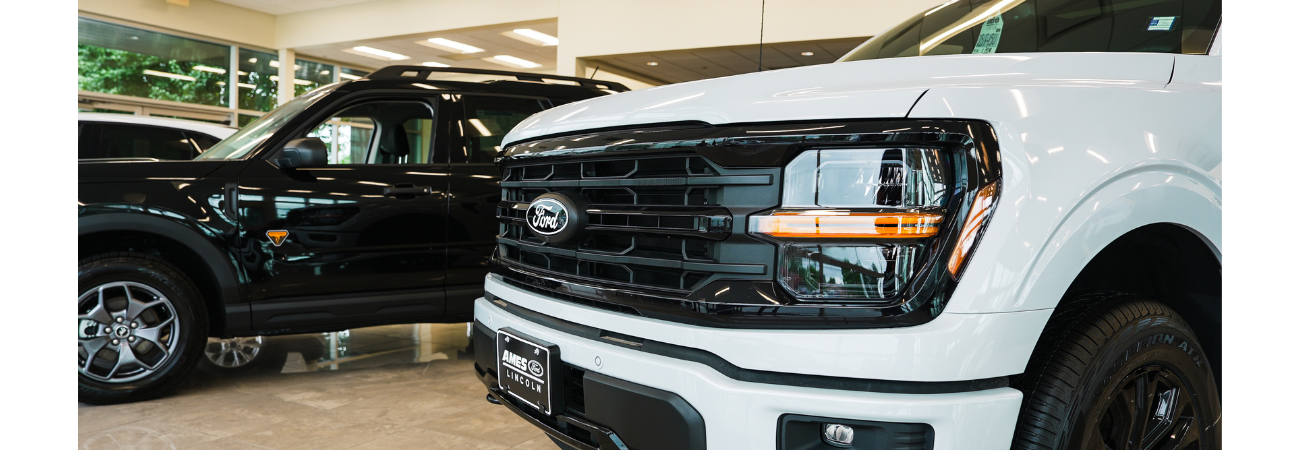
For many Iowa drivers, ordering a Custom Ford is worth the wait. You get the trim, color, engine, cab, and towing setup you want, instead of settling for what's parked on the lot.
Still, a custom order isn't instant. If you're planning for winter roads, farm work, or a growing family, it helps to know what happens after you say, "I want to order." Starting with a custom factory order at Ames Ford gives you local support and a clearer path from build sheet to delivery.
How the 2026 Custom Ford order process works, step by step
A Custom Ford order usually starts with research. You might compare trims online, save a build, or print out the options you like. That part helps, but it doesn't place a real order.
The real order begins when the dealership enters it into Ford's system. That's an important difference. An online build is a planning tool. A dealer-submitted retail order is what puts your vehicle in line for scheduling.
Choosing the right model, trim, and must-have options
Before anything gets submitted, take time to sort out your must-haves. That matters because some choices affect both price and timing.
For Iowa buyers, common decision points include cab style, bed length, drivetrain, towing packages, snow-friendly features, and seat materials that hold up to daily use. Some families care most about space and tech. Others need payload, trailer equipment, or a stronger engine for work.
It helps to split options into two groups. First, list what you truly need. Then list what would be nice if timing allows. A spray-in bedliner might matter less than a tow package. A wheel design might matter less than four-wheel drive.
That simple ranking can save headaches later. If a certain wheel, paint color, or package is limited, you may decide it's worth swapping before the order goes in.
Specialized trucks can add another layer. For example, if you're also looking at upfitted heavy-duty builds, the path may differ from a standard factory order. Ames shoppers comparing Super Duty options can review the Ford F-250 Black Widow overview to see how some trucks involve extra steps after the base vehicle is built.
What the dealer submits to Ford, and when your order becomes real
Once you finalize the build, the dealer enters your vehicle, options, and customer details. At that point, your order is real.
You may hear terms like "order confirmation" or "priority code." In simple terms, those labels help identify the order and organize it in Ford's system. They do not mean production starts right away.
This is where many buyers get tripped up. A submitted order still has to be selected for scheduling by Ford. That depends on factory capacity, model demand, and whether your chosen options are available.
So the process goes in stages. First, the dealer enters the order. Next, Ford confirms it. After that, Ford decides when the factory can build it. Until that scheduling step happens, your Custom Ford is still waiting its turn.
How long a custom Ford takes in 2026, from order to delivery
The honest answer is that no one can promise one exact timeline for every Custom Ford. Some orders move quickly. Others take much longer, even when they look similar on paper.
Timing depends on the model, trim, factory output, shipping routes, and parts supply. A simple build with common equipment may move faster than a heavily optioned truck. Meanwhile, high-demand models can stay in line longer.
If you need the vehicle by harvest, before winter, or ahead of a summer road-trip season, order early. Extra time gives you room if scheduling or shipping slows down.
Typical timeline stages, from order bank to production to arrival
The biggest waiting period often happens before production starts, not during the actual build. A scheduled order is good news, but it isn't the finish line. Shipping and final release can still take longer than expected.
Why some builds move faster than others
Small differences can change the pace. A popular trim with common equipment may get picked up sooner than a less common build with limited parts.
Heavy-duty trucks often follow their own demand cycle. So do special off-road packages, luxury trims, and certain tech bundles. Paint choices, wheel availability, trailer gear, and bed-related options can also affect timing.
Transportation plays a role too. A vehicle can be built and still sit while waiting for rail space or a truck carrier. Weather can slow that part down, especially in busy shipping periods.
Two buyers can order similar trucks in the same month and still have different results. That's frustrating, but it's normal in factory ordering. If you're considering a factory truck with extra performance work after delivery, such as the 2024 F-150 sleeper packages, plan for added time beyond the base vehicle's factory schedule.
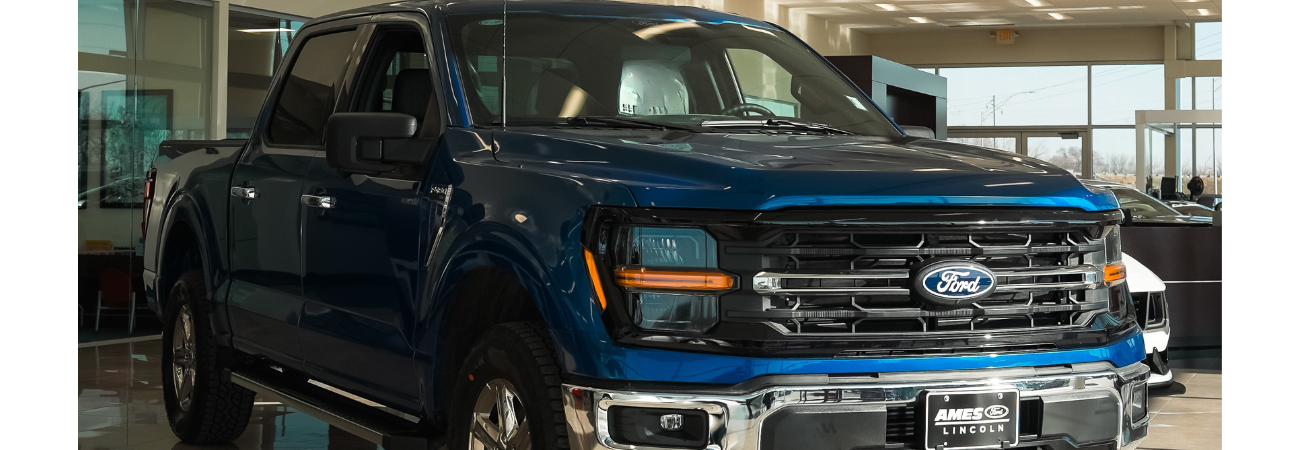
Deposits, pricing, and what to ask before you place the order
A deposit is one of the first questions buyers ask, and for good reason. Policies can vary by dealer, so you should never assume the amount or refund terms are the same everywhere.
At Ames Ford, the smart move is to ask clear questions before the final order is placed. That keeps everyone on the same page and helps you avoid surprises later.
Is a deposit required, and is it refundable
Some custom orders require a deposit. Others may not, depending on the vehicle and the dealer's policy. The key is getting the answer before you approve the build.
Ask for three things in writing: the deposit amount, whether it's refundable, and what conditions apply. For example, there may be a difference between canceling before scheduling and backing out after the vehicle is built.
Short paperwork is still important paperwork. Make sure the buyer's order or signed build sheet matches the model, trim, options, and color you discussed.
How to protect yourself from pricing confusion
Pricing can feel murky if you don't pin down the details early. A few direct questions can make the process much easier.
Ask the dealership to review:
The MSRP on the order
Any dealer documentation fee
How incentives work if they are available at delivery
When a trade-in value would be locked, if you have one
Whether price protection may apply in some cases
That doesn't mean every number stays fixed months ahead. Incentives can change, and trade values can move with the market. Still, written details give you a much stronger starting point.
Most buyers aren't looking for a legal lesson. They want plain answers. That's one reason many Iowa drivers prefer working face to face with a store that explains the numbers clearly and keeps the custom order simple.
How to track your order and handle delays without added stress
Once the order is placed, the waiting starts. This is where communication matters most.
Many buyers expect daily updates, but that's rarely how factory orders work. Status changes often come in waves. You may hear nothing for a while, then get a meaningful update all at once.
What order status updates usually mean
Status language can sound more final than it is. "Confirmed" usually means Ford received the order. "Scheduled" means the factory assigned a build period. "In production" means assembly has started. "Built" means the vehicle is assembled, though it may still wait for release or transport. "Shipped" means it's on the move. "Delivered" means it reached the dealer.
Shipping is where patience gets tested. Rail and truck movement can be slower than buyers expect, and tracking may not look very active during that phase.
Because of that, it's smart to check in with the dealership at reasonable intervals instead of chasing daily movement. A good dealer will tell you what changed, what didn't, and what that likely means.
The most common reasons a custom Ford gets delayed
Parts shortages still affect certain models and packages from time to time. Constrained options can also slow an order, even if the rest of the build is simple.
Factory scheduling changes are another common cause. A vehicle may wait because the plant is balancing output across trims and equipment groups. In other cases, a built vehicle may sit for a quality hold before release.
Then there's shipping. Rail congestion, truck shortages, storms, and route changes can all add time. None of that is fun, but it's also not always dealer-controlled.
High demand adds pressure across the board. When many buyers want the same engine, package, or truck line, some orders naturally wait longer.
Smart ways to avoid delays before they happen
A little flexibility goes a long way. If timing matters more than having one exact wheel design or paint color, say that upfront.
Order early if you need the vehicle for a certain season. Ask which features are most likely to hold up scheduling. Stay open to minor changes if Ford flags a constrained option. Most of all, keep your build focused on what you truly need.
If you're choosing between several versions of the same truck, Ames Ford can help you weigh the tradeoff between ideal features and faster delivery. That's often the difference between a smooth order and a long, frustrating wait.
A Custom Ford is still one of the best ways to get the exact vehicle you want in 2026. The key is knowing that the process has stages, deposits need clear terms, and delays can happen even when the order is entered correctly.
When you start with a dealer that communicates well, the wait feels much more manageable. If you're ready to build for Iowa roads, weather, and work needs, Ames Ford is a smart place to start your Ford custom build with real local support.