

How Do Lincoln SUVs Perform in Iowa's Winter
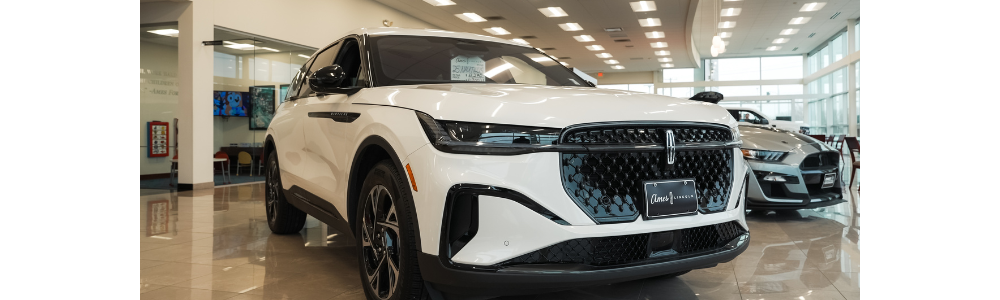
Iowa winters can be tough, with snow and ice making driving a challenge. For those considering Lincoln SUVs, understanding their performance in these harsh conditions is essential. Ames Ford’s team is always happy to answer questions about these great options for Ames drivers, but for those looking to do some of their own research this blog, we will break down key features, handling, and safety aspects that contribute to their winter performance.
Understanding AWD and 4WD Features
Both All-Wheel Drive (AWD) and Four-Wheel Drive (4WD) are crucial for maintaining traction. Learn which Lincoln SUV models have these features and how they operate in winter.
Lincoln's AWD system is designed to automatically distribute power between the front and rear wheels, ensuring optimal grip on slippery surfaces. This adaptability is particularly beneficial when navigating unexpected snowstorms or icy patches common during long Iowa winters.
In contrast, 4WD systems provide the driver with the ability to manually switch between two and four-wheel drive, which can be advantageous in rugged off-road conditions. Understanding these distinctions helps in choosing the right Lincoln SUV for your winter driving needs.
It's also worth noting that many Lincoln SUVs equip adaptive systems that can sense road conditions and adjust accordingly. This feature not only contributes to better handling in winter but also instills confidence for drivers facing Iowa's unpredictable winter weather.
Tire Performance in Winter Conditions
The type of tires you choose can drastically affect your SUV's grip on icy roads. We'll discuss the recommended tire types for Lincoln SUVs during winter.
Winter tires are a must for those frigid Iowa months. Designed with specific rubber compounds that remain flexible in low temperatures, they provide the necessary grip on snow and ice. Lincoln SUVs like the Navigator and Aviator deliver impressive performance when fitted with the right winter tires.
In addition, tire pressure plays an important role during the winter. Cold weather causes air to contract, which can decrease tire pressure and lead to reduced handling capabilities. Regularly checking and adjusting tire pressure can help maintain optimal performance.
A helpful tip is to invest in a quality tire pressure gauge and monitor your tires regularly. By ensuring that they are inflated to the recommended pressure, you can enhance both safety and performance while driving your Lincoln SUV through snowy conditions.
Handling and Stability Features
Modern Lincoln SUVs come equipped with advanced handling technologies. Discover how features like traction control and stability systems enhance performance in winter weather.
The adaptive suspension systems in Lincoln SUVs provide an added level of comfort and control. These systems adjust to changing road conditions, giving you confidence as you drive through deep snow or on icy streets. With such technology, Lincoln ensures that every ride feels composed and secure.
Moreover, traction control systems are essential for preventing wheel spin during acceleration. They automatically adjust engine power to maintain grip, making driving safer and more predictable in slippery conditions. Such features contribute significantly to a vehicle's ability to handle Iowa winters.
Pairing these features with Lincoln's intuitive driving modes allows drivers to select settings best suited for winter conditions. Whether you're cruising through a snowstorm or simply navigating city streets, these systems work seamlessly to enhance your overall driving experience.

Safety Ratings and Assessments
Safety is a top priority during winter driving. We will review the safety ratings of Lincoln SUVs and what makes them a reliable choice in icy conditions.
Lincoln SUVs consistently earn high safety ratings, thanks to their robust structure and advanced safety features. Crash tests reveal that models like the Corsair and Nautilus are designed to protect occupants effectively in the event of a collision, an essential characteristic when driving in potentially hazardous winter conditions.
In addition to passive safety systems, Lincoln includes an array of active safety technologies as standard features. These include blind-spot monitoring, adaptive cruise control, and automated emergency braking, which are particularly useful in snowy and slippery environments.
Additionally, the Lincoln Way app provides drivers with valuable information on vehicle health and safety features. It allows users to stay connected with their SUV at all times, enhancing both peace of mind and overall driving enjoyment even when weather conditions are less than ideal.
Final Thoughts on Lincoln SUVs in Winter
In summary, Lincoln SUVs generally excel in Iowa's winter conditions thanks to their advanced technology, confident handling, and focus on safety. Whether you're navigating slippery roads or dealing with heavy snowfall, these vehicles are designed to keep you secure and comfortable on all of the roads in Ames. The team at Ames Ford would love the opportunity to have you take one on a test drive this winter to see for yourself.