

Lifted Truck Costs: Tires, Fuel, and Yearly Upkeep
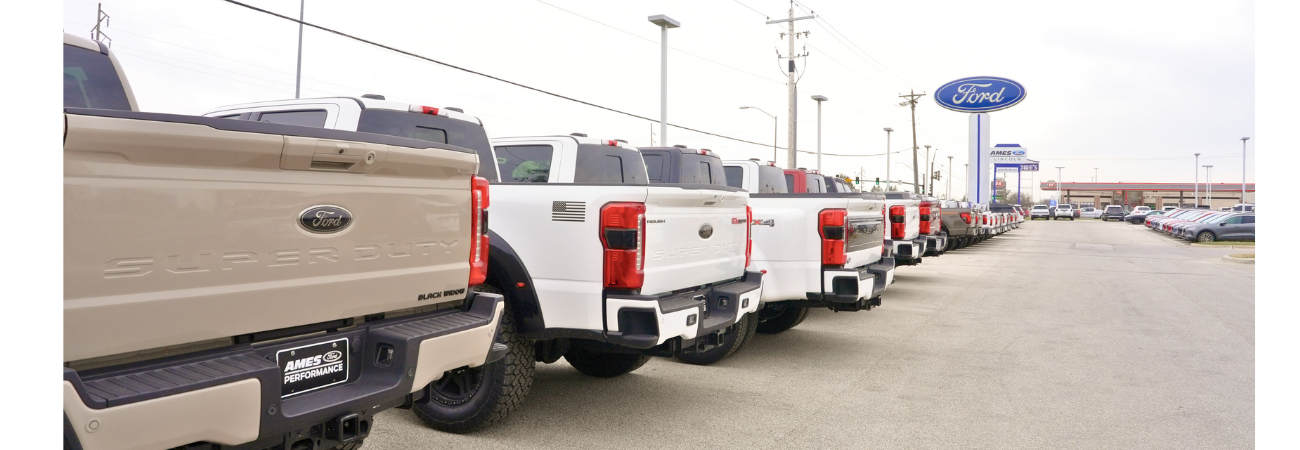
A lift changes more than stance. If you're considering a lifted truck in Ames, the real question isn't only what the kit costs. It's what the truck will ask from your wallet every year after.
Tires get pricier, alignments matter more, and fuel use usually climbs. Suspension and steering parts can also wear faster. Ford owners love the look and clearance, but a bigger stance rarely stays affordable by accident. The biggest changes start with the parts you buy, then continue long after the install.
The biggest costs that change after a lift
The lift itself gets most of the attention, but it rarely stays the biggest bill. Once ride height and tire size change, normal ownership costs change too. Some show up right away, while others arrive over the next year.
Lift kit, installation, and setup costs
A basic leveling kit is usually the cheapest entry point. Parts may cost a few hundred dollars, and labor can add a similar amount. A small suspension lift costs more, while a taller, high-quality setup can push the total into the low thousands or higher.
Price changes with shocks, control arms, hardware, and overall kit quality. Some trucks also need trimming, recalibration, or other fitment work when tire size changes. A proper install matters because bad angles and poor setup can create bigger bills later.
How tire size affects the budget
Tires are where lifted-truck ownership starts to feel real. Larger all-terrain or mud-terrain tires cost more to buy, mount, balance, and replace. If they are heavier, routine tire service can cost more too.
Poor alignment makes this even worse. A taller or wider tire can wear badly long before you expect it to. For many owners, tires become one of the largest yearly costs after fuel, especially once the first replacement cycle starts.
Why lifted truck tires and alignment need more attention
After a lift, the truck's suspension angles change. Steering feel can change with them, and tire contact with the road can change too. That's why alignment isn't a one-time job after the install.
Alignment checks after installation and after hard use
A lifted truck should get aligned right after the work is done. Then it should be checked again after a few hundred miles, because parts can settle and small changes can show up later. Normal driving often reveals issues that were easy to miss on day one.
Potholes, towing, gravel roads, and off-road use can all move alignment settings over time. Even a truck that stays on pavement can drift out of spec. If you want longer tire life and steadier tracking, plan on periodic checks. For local owners, a professional wheel alignment in Ames is one of the cheapest ways to protect a costly tire set.
Tire wear signs that can get expensive fast
Watch for cupping, feathered edges, pulling, or extra road noise. Also notice where the steering wheel sits on a straight road. If it feels off-center, the truck may already be telling you something.
Those signs don't fix themselves. One bad alignment can shave a big chunk off tire life, and larger tires make that mistake more expensive. Catching the problem early usually costs far less than replacing a set too soon. A bad alignment can ruin a costly tire set faster than most owners expect.
Fuel costs, ride quality, and the tradeoffs you will notice
Road manners change after a lift too. More height, heavier tires, and added wind drag can make the truck feel slower to react. Braking distance can grow, and highway crosswinds may feel stronger than before.
How much mileage usually drops
Fuel economy usually falls after a lift, although the size of the drop depends on tire weight, gearing, and lift height. City driving often shows the change first, because bigger tires take more effort to get moving. Highway speed can hurt too, especially with taller setups.
Over a full year, even a small mpg drop can add up to several hundred dollars in extra fuel. That is why fuel belongs in your yearly lifted-truck budget, not only in your weekly fill-up.
Other wear items that can add up
Suspension joints, steering parts, shocks, brakes, and wheel bearings can all see more stress after a truck is modified. That doesn't mean every lifted Ford becomes a repair problem. It does mean inspections matter more, especially if the truck tows, hauls, or sees rough roads.
Those checkups matter even more after a tire size change or a hard season of use. If you want trained eyes on those parts, the expert Ford service department can help spot wear before it turns into a bigger repair.
A smart yearly budget for a lifted truck owner
A lifted truck owner in Ames should budget by the year, not by the payment. The lift may be a one-time purchase, but tires, alignment, fuel, and wear items keep coming back. A simple plan keeps the truck fun instead of frustrating. Exact costs vary with tire brand, lift height, mileage, and how the truck is used.
What to set aside for tires and alignment each year
Start saving for tires before the tread looks low. That way, replacement won't feel like a surprise when the time comes. Large tires hit harder because the price is higher and wear can speed up if alignment slips.
Alignment deserves its own budget line too. Some lifted trucks need one check a year, while others need more because of potholes, towing, winter roads, or trail use. If you're shopping for a lifted truck in Ames, this is one of the most important ongoing costs to price honestly.
The repair cushion every owner should keep
Set aside repair money before you need it. Modified trucks can put extra load on tie rods, ball joints, shocks, and brake parts. Small issues can pile up if you wait too long.
A repair cushion also helps with sensor problems or other surprises after wheel and tire changes. The goal isn't to expect trouble. It's to stay ready for normal wear on a truck that works harder than stock.
Final thoughts
A lift can be worth it, but the install price is only the opening number. Tires, alignment, fuel, and wear parts are what decide whether ownership feels easy or expensive.
Build your budget around yearly upkeep, and the truck will make more sense on paper and on the road. For Ford drivers near Ames, realistic planning beats hype every time.