

8 Common Engine Problems and How to Fix Them in Marshalltown
Understanding engine issues is crucial for maintaining your vehicle. At Ames Ford, if you live in Marshalltown and are facing engine troubles, this guide will help you identify common problems and offer practical solutions. Let's dive into the world of engine repair together, providing you with the knowledge you need to keep your car running smoothly.

1. Ignition System Failures
One of the most common issues vehicle owners face is ignition system failure. The ignition system is responsible for starting your engine, and when it malfunctions, you might find yourself stranded. Symptoms of this issue often include a flickering dashboard light, a hard-to-start engine, or even stalling while driving. It’s critical to pay attention to these signs and act quickly to avoid further damage.
The first step in fixing ignition system failures is to thoroughly inspect components such as spark plugs, ignition coils, and wiring. At Ames Ford, we recommend replacing worn-out spark plugs regularly, as this can instantly improve engine performance. Make it a habit to check and change them at the recommended intervals to ensure smooth operation and longevity of your engine.
However, if problems persist even after replacing the essential components, it may be time to consult with a professional mechanic. Sometimes, deeper issues within the ignition system can be the root cause, and diagnostic tools will be needed for an accurate assessment.
2. Overheating Engines
An overheating engine is not just uncomfortable; if not addressed promptly, it can lead to severe engine damage. Common signs include a rising temperature gauge, steam coming from under the hood, or an unusual smell of burning coolant. If you notice any of these signs, you should pull over immediately to prevent irreparable damage.
At Ames Ford, we understand that a malfunctioning cooling system can be a significant cause of engine overheating. To prevent this, it's essential to regularly check coolant levels and maintain your radiator. Make sure your cooling fans are operational, as they play a crucial role in regulating engine temperature. Clean any debris from your radiator grille to allow for optimal airflow, and consider flushing your cooling system as part of your routine car maintenance.
In addition, inspect your water pump and hoses for leaks or damage. If you find worn or cracked hoses, replace them immediately to prevent coolant leaks. Keeping your engine cool can prolong its lifespan considerably, so don’t ignore the signs of overheating!

3. Oil Leaks and Their Impacts
Oil leaks can lead to significant engine problems if not addressed quickly. Unfortunately, many vehicle owners might not even notice a leak at first, as it often manifests as dark spots on their driveway or garage floor. Failing to monitor oil levels can result in inadequate lubrication, leading to engine wear and tear.
At Ames Ford, we suggest regularly checking your oil levels and inspecting your engine for any visible drips or spots. If your oil level is consistently low, it's time to investigate further. Familiar sources of leaks include the oil pan gasket, valve cover gasket, or oil filter. Replacing these components can resolve minor leaks before they turn into major headaches.
Additionally, if oil has splattered onto other engine components, it’s a sign of a more serious issue. In such cases, it's best to consult with a professional to assess the situation and recommend the appropriate repairs. Addressing oil leaks is crucial for maintaining engine health and efficiency.
4. Faulty Fuel Injectors
Fuel injectors are vital for your engine’s smooth running. They deliver the right amount of fuel into the combustion chamber at precise intervals. Fuel injector malfunction can lead to poor fuel economy, increased emissions, and sluggish performance. You may notice rough idling, difficulty starting, or a decrease in overall power.
To determine if your fuel injectors are the problem, check the fuel pressure and perform an injector balance test. Cleaning the fuel injectors might resolve minor issues, but in cases of severe clogging or mechanical failure, you may need to replace them entirely. At Ames Ford, we stress the importance of a clean fuel system for maintaining the health of your engine.

5. Malfunctioning Sensors
Modern engines rely heavily on sensors to gather data and optimize performance. If any of these sensors malfunction, it can trigger poor engine performance or warning lights on your dashboard. Commonly affected sensors include the oxygen sensor, mass air flow sensor, and coolant temperature sensor. Each plays a crucial role in helping the engine operate efficiently.
When a sensor fails, it often sends incorrect information to the engine control unit (ECU), leading to inefficient fuel usage and sometimes even stalling. To troubleshoot, consider using an OBD-II scanner to retrieve error codes that can pinpoint the faulty sensor. At Ames Ford, we can help identify and replace malfunctioning sensors quickly to significantly improve your vehicle's performance.
6. Exhaust System Blockages
An unobstructed exhaust system is crucial for optimal engine performance. Blockages can occur due to various issues, such as clogged catalytic converters or exhaust pipes. These issues can lead to back pressure in your engine, reducing power and fuel efficiency. If your vehicle struggles to accelerate or produces unusual sounds, it might be time to inspect your exhaust system.
At Ames Ford, we recommend examining your exhaust pipes for any visible rust or damage. Pay special attention to the catalytic converter, which can become clogged with carbon deposits over time, especially in older vehicles. If you suspect a blockage, consult a professional mechanic to clean or replace the affected parts.
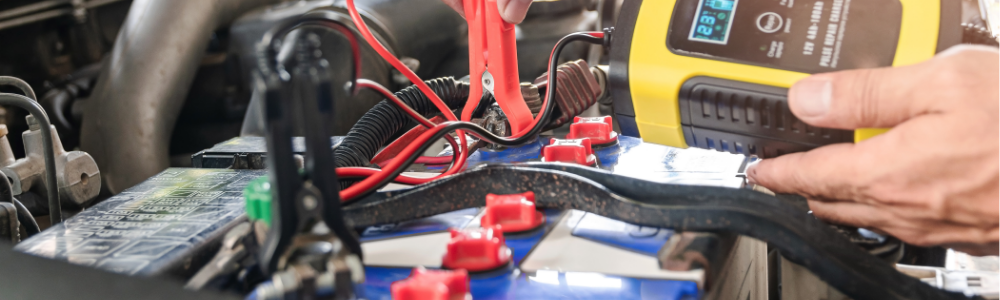
7. Battery and Electrical Issues
Electrical issues in a car can manifest as battery troubles or problems with the various electrical components of the vehicle. If your car struggles to start or if the lights flicker irregularly, you may have a failing battery or alternator. Regular checks on your battery health can save you a lot of inconvenience down the road.
At Ames Ford, we advise keeping the battery terminals clean and periodically testing the battery's charge. If your battery is over three years old, consider having it tested professionally. If the battery appears weak, replacing it can prevent unexpected breakdowns and ensure your vehicle runs smoothly.
8. Timing Belt Problems
The timing belt is a crucial component that maintains the engine's timing for optimal performance. A worn or damaged timing belt can lead to severe engine problems, including failure to start or catastrophic engine damage. Symptoms such as ticking noises from the engine or a dashboard warning light should be addressed immediately.
At Ames Ford, we emphasize the importance of regularly replacing your timing belt according to your vehicle's maintenance schedule. Generally, a timing belt should be changed every 60,000 to 100,000 miles. Being proactive about this can save you from hefty repair bills, not to mention the headache of an engine failure.
Conclusion
In conclusion, maintaining your engine’s health is vital for ensuring a reliable and smooth driving experience. You can extend your vehicle's lifespan and prevent costly repairs by staying proactive and addressing common issues like ignition failures, overheating, oil leaks, or sensor malfunctions. At Ames Ford, we’re here to support drivers in Marshalltown with expert advice, routine maintenance, and professional repair services. Let us help you keep your engine running at its best so you can drive confidently and safely.