

Cold-Weather EV Range in Iowa: What Drivers Can Expect
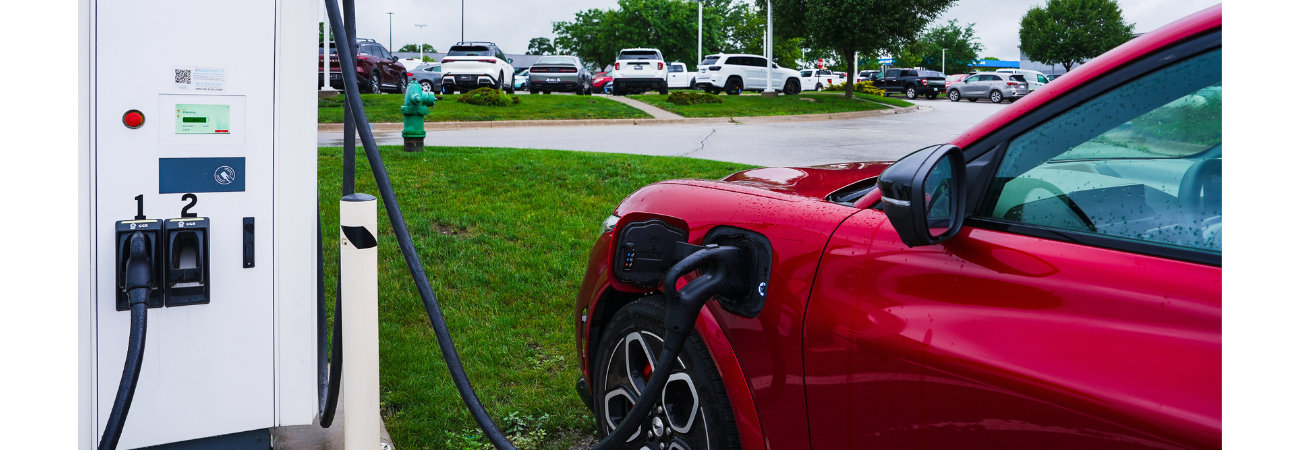
On a dark January morning in Iowa, a cold commute can make anyone considering electric vehicles stare harder at the range display. The vehicle's driving range estimate may fall after sitting outside overnight.
Cold conditions can reduce how far you can travel and slow charging, yet daily ownership is still manageable with a routine. EV charging in cold weather takes a little planning, while battery temperature, interior heating, and road conditions explain most changes. Knowing what to expect makes winter trips feel far less uncertain.
Key Takeaways
Cold temperatures can reduce EV range by roughly 10% to 30%, depending on the vehicle, route, weather, battery temperature, and driving style.
Cabin heating, short trips, snow, slush, low tire pressure, winter tires, and higher speeds can increase energy use in Iowa winters.
Preconditioning the battery and cabin, especially while connected to home charging, can make winter driving and charging more efficient.
Cold batteries may charge more slowly at DC fast chargers, so plan extra time and use the vehicle's navigation-based preconditioning when available.
Level 2 home charging, proper tire pressure, a larger winter range buffer, and suitable cold-weather features can make daily EV driving more predictable.
Cold-weather EV range in Iowa: what changes day to day
Lithium-ion batteries are less efficient in cold conditions because cold slows the chemical reactions that move energy through the battery. The vehicle also uses energy to warm the battery pack, while snow, slush, headwinds, low tire pressure, and higher winter speeds increase the energy needed to move.
Many EVs experience roughly 10% to 30% range loss in cold temperatures. The actual change depends on the model, outdoor temperature, route, battery heating system, and driving style.
A vehicle's thermal management system can warm or regulate the battery, bringing it toward its optimal temperature before or during a drive. Battery preconditioning can reduce the impact of a cold start, but it also consumes some energy. A vehicle parked outdoors all night begins the day colder than one leaving a garage.
In a cold climate, daily energy use depends on where you park, how long you drive, and which vehicle controls you use. The displayed driving range is a live estimate, not a promise.
Why cabin heat and short trips use more battery
Cabin heat can consume a noticeable share of energy on a short drive. Gas vehicles use waste heat from the engine, but an EV must draw electricity to warm the cabin.
Heated seats and a heated steering wheel usually use less energy than raising the entire cabin's temperature. Repeated errands also restart the warm-up cycle. One longer, steady trip often uses energy more efficiently than several short trips in subfreezing conditions.
What Iowa drivers can expect at different temperatures
Cool fall weather usually causes a modest change. Near freezing, the drop becomes more obvious, and below-zero days can reduce usable range further.
Wind chill affects people more directly than batteries because the battery responds to actual air temperature. Strong wind still increases aerodynamic drag, however. Snow-covered roads, road slush, and winter tires can also reduce efficiency by adding rolling resistance.
For example, an EV rated for 250 miles may have substantially less usable range during severe cold. Cold can temporarily reduce available battery capacity, rather than permanently damage the battery. That does not mean every drive will produce the same result. Model testing, road conditions, cabin settings, and driving habits determine the real outcome.
EV charging in cold weather: home charging and road trips
Cold batteries may initially accept less power at a DC fast charging stop, increasing charging time and slowing charging speed. Battery preconditioning warms the battery pack before charging, helping it charge more effectively after reaching an optimal temperature.
Many EVs begin preconditioning when you select a compatible DC fast-charging stop through the built-in navigation system. Still, shoppers should confirm how each model handles battery preconditioning before relying on it for a winter trip.
Level 2 home charging makes cold-weather routines easier. Plugging in after work gives the vehicle time to manage battery temperature, and it lets you depart at your chosen daily charge level. If a Level 2 home charging setup is part of your purchase decision, review home charging solutions for electric vehicles.
Charging before departure is usually easier than arriving at a fast charger with a cold, low battery. With public charging, don't judge the session by its first few minutes. The battery may need time to warm up, especially after a drive through deep cold. On longer Iowa trips, plan extra time and identify backup charging stations when stops are farther apart.
How to make winter charging faster and more predictable
A few habits make charging speed more predictable:
Keep the vehicle plugged in when it is parked at home, if possible.
Preheat the cabin while connected to power, so the battery does less work after departure.
Set a scheduled departure time if the vehicle offers one.
Route to a compatible DC fast-charging stop through the vehicle navigation when that feature supports battery preconditioning.
Allow extra time at fast chargers during very cold weather.
Charging speed also tapers as the battery fills. A warm battery usually accepts power more quickly, but every EV has its own charging curve and cold-weather controls. A fast charger cannot instantly overcome a cold battery. Giving the pack time to warm is part of a realistic winter charging plan.
Simple winter habits that protect range and reduce surprises
Daily driving choices matter
Check tire pressure at least monthly and before a winter trip, because cold air lowers it. Proper inflation supports range, tire wear, and handling on slick roads.
Clear snow and ice from the vehicle before driving. Extra snow adds weight, while blocked cameras and sensors can complicate a trip. Keep a larger range buffer during a winter storm or when rural charging access is limited.
A steady speed and gentle acceleration conserve energy. On slippery pavement, use regenerative braking smoothly and leave more following distance. Avoid leaving the battery at a very low state of charge for long periods during severe cold. Parking in a garage can also reduce the initial cold soak when one is available.
Compare winter-focused EV features
Look beyond the advertised range when comparing electric vehicles. Winter battery performance depends on equipment and thermal controls, so ask which features are most useful for a cold climate like Iowa's. Consider a heat pump, preconditioning controls, nearby charging-network access, and battery warranty support.
Ford shoppers can also review Ford EV protection coverage when considering added protection for battery and charging components.
Frequently Asked Questions
How much range does an EV lose in cold weather?
Many EVs experience roughly 10% to 30% range loss in cold conditions. The actual reduction depends on temperature, the vehicle model, cabin heating, road conditions, and driving habits.
Does cold weather permanently damage an EV battery?
Cold can temporarily reduce available battery capacity, but it does not usually permanently damage the battery. Battery thermal management helps bring the pack toward its optimal temperature during driving and charging.
Why does an EV charge more slowly in winter?
A cold battery may initially accept less power, particularly at a DC fast charger. Battery preconditioning can warm the pack before charging and help improve charging speed.
Is home charging better for winter EV ownership?
Level 2 home charging makes cold-weather routines easier because the vehicle can remain plugged in while managing battery temperature. Preheating the cabin while connected to power also reduces the energy needed after departure.
What can Iowa drivers do to improve winter EV range?
Preheat the vehicle while it is plugged in, maintain proper tire pressure, drive smoothly, and keep a larger range buffer during severe weather. Parking in a garage and using heated seats or a heated steering wheel instead of raising the entire cabin temperature can also reduce energy use.
A Predictable Iowa Winter EV Routine
Iowa winter weather changes the ownership math, but it doesn't make an EV unpredictable. Preconditioning, home charging, healthy tire pressure, and systems that help the battery maintain an optimal temperature address common concerns.
Judge a vehicle by your normal commute, charging access, winter travel needs, usable winter battery capacity, and cold-weather equipment, not its advertised range alone. With those basics in place, daily EV driving can stay dependable in Iowa's cold climate.