

Lease vs Finance for Trucks: A Simple Guide for High-Mile Drivers
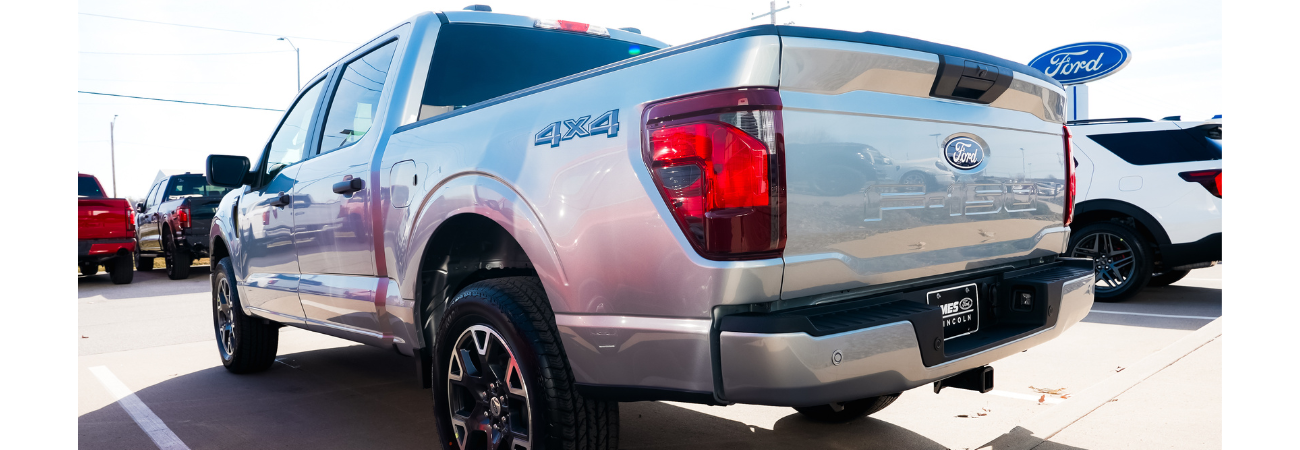
If you're an Iowa driver who lives in the driver's seat, the truck decision isn't just about the badge or the color. It's about truck leasing vs truck financing when you rack up miles, tow often, and bounce between highways and job sites.
Here's the problem: the "best" monthly payment can look great on paper, then get wrecked by mileage limits, wear charges, or the fact that you still need a truck when the term ends. On the other hand, buying can feel like a bigger commitment, especially if you're watching cash flow.
This guide breaks down leasing and financing in plain language, shows where the real costs hide, and ends with a quick checklist you can use when you talk with Ames Ford.
Start with how you use your truck, miles, job-site wear, and how long you keep it
Before you compare payments, get honest about what your truck goes through. Usage matters more than most people think. A highway commuter with a light trailer is living a different life than a job-site truck that idles all day and drags through gravel.
Think about three things first: annual miles, wear and tear risk, and how long you plan to keep the truck. If one of those doesn't fit the deal, the rest won't save it.
A construction foreman might do short trips, then sit idling for hours. A farmer might pile on seasonal miles during planting and harvest. A mobile service tech may log long routes across the state, from Ames to Des Moines to Cedar Rapids and back. Those patterns push you toward different answers.
The cheapest option is the one that still fits after you count miles, tires, and dings, not the one with the lowest starting payment.
High-mile driving: why mileage caps can make leasing pricey
Most leases come with a yearly mileage allowance. When you stay inside that fence, truck leasing can feel simple. However, when you run past it, the math changes fast because leases often charge a per-mile overage at turn-in.
High-mile drivers usually see the pain in year two or three. That's when the odometer gets ahead of the contract, and the "good payment" starts stacking extra costs at the end. If you regularly drive 20,000 miles a year, you'll want a lease set up for that, or you'll want to look harder at truck financing.
A quick miles-per-year worksheet helps you avoid guesswork:
Write down your odometer today.
Estimate weekly miles (include towing trips, not just commuting).
Add seasonal spikes (harvest runs, storm calls, peak construction months).
Multiply by 52, then compare to the lease allowance.
Financing doesn't penalize miles the same way. You can drive as much as you need. Still, higher miles can lower trade-in value later, so it's not "free," it's just handled differently.
If you want a real-world example of a light-duty truck many drivers consider for commuting and towing, check out this 2025 Ford F-150 XLT pickup and compare how you'd use it over three years versus six.
Job-site use: dents, tires, and idle time can change the math
Job sites are rough on trucks. Gravel lots, tight equipment rows, and winter mud don't care about paint. The cab sees dust, boots, and coffee. The bed takes the hit from chains, toolboxes, and pallets.
With a lease, you're usually on the hook for "excess wear" at turn-in. That can include bigger dents, cracked glass, torn seats, and bed damage. Normal wear is expected, but job-site life can cross the line without meaning to.
With truck financing, you control the outcome. You can fix damage when it makes sense, or you can run the truck as a tool and keep it longer. Ownership also makes upfitting easier. Ladder racks, plows, service bodies, winches, and bed liners are simpler when you don't have to plan for a return inspection.
Leases can still work for job-site drivers, but only when the terms match reality. Ask up front about modifications, bed protection, and how turn-in wear gets judged. If you're looking at a heavy-duty build that's meant to stand out and work hard, this 2026 Ford F-250SD Black Widow page shows the kind of truck people often want to keep, not just rent for a short cycle.
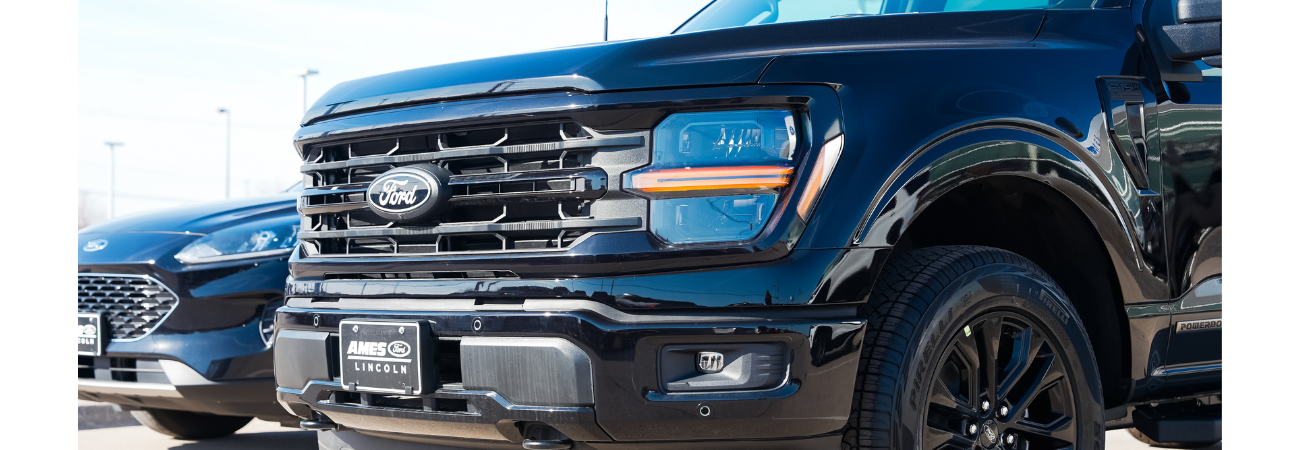
Truck leasing vs truck financing, what you really pay for and what you give up
Both options have a place. The key is knowing what you're paying for, and what you're trading away. A lease is like paying for the portion you use, with rules. A loan is like buying the whole tool, then deciding how long to keep it.
The takeaway: leasing buys you a plan and a timeline. Financing buys you flexibility and ownership.
For Iowa drivers, winter also matters. Road salt, frozen ruts, and potholes can speed up wear. If you expect cosmetic hits, a lease might feel stricter than you'd like.
Leasing basics: lower payments, newer trucks, and a planned exit
Truck leasing is a contract for a set term (often a few years) with a mileage allowance. The payment is based largely on how much value the truck is expected to lose during that time (often called the residual value), plus financing charges and fees.
At the end, you typically have three paths: turn it in, buy it out, or move into another lease. Many drivers like leasing because they prefer newer trucks, newer tech, and more time under factory warranty. That can feel reassuring if you can keep miles and wear predictable.
Leasing can also be a clean fit for a mostly-highway driver who wants a consistent cycle, like replacing a truck every 2 to 3 years. Just remember that insurance requirements may differ, so confirm coverage needs before signing.
If you want to see a popular lease-style candidate in the half-ton space, this 2025 Ford F-150 STX truck is a good example of a truck people often lease when their miles are controlled.
Financing basics: ownership, no mileage limits, and equity you can keep
Truck financing is a loan. You pick a term, rate, and down payment (often helped by a trade-in). Then you pay down the balance over time. As you pay, you build equity, which can turn into your next down payment when you trade.
Financing tends to fit high-mile drivers and job-site use because there's no turn-in inspection and no mileage penalty. You can keep the truck past the payoff date, which is when payments stop but the truck still works. That's a big deal if you put 25,000 miles a year on it.
Extra payments can also reduce interest over the life of the loan. That's a simple move that many buyers forget.
The tradeoff is maintenance over time. After warranty, you handle more of the long-term repairs. For many work-truck owners, that's acceptable because the truck is still earning its keep.
A quick decision checklist, then how to talk with Ames Ford about the right deal
Once you know your miles and your work conditions, the choice usually gets clearer. Still, it helps to put it in writing for a minute. Think of it like choosing boots. Dress boots look great, but they're wrong for concrete and mud.
If you answer yes to these, leasing may fit better
Your miles are predictable and stay within a set allowance.
You want a newer truck every 2 to 3 years.
Warranty coverage matters because downtime hurts.
Most driving is highway miles, with lower damage risk.
You don't need heavy upfits, or you've confirmed they're allowed.
Before you sign, ask for the right mileage package and read the wear rules. Those two details decide whether the lease stays friendly.
If these sound like you, financing is usually the safer play
You drive 20,000+ miles a year, or your miles swing by season.
Job-site wear is unavoidable, including bed use and gravel roads.
You plan to keep the truck 5+ years (or until it's paid off).
You need serious upfits, like a plow, rack, or service body.
You want equity, plus freedom to sell or trade anytime.
When you talk with Ames Ford, bring a simple list: your annual miles, your towing needs, and your must-have upfits. Then ask about rate and term options, how down payment affects payment, warranty and service plan choices, your trade-in estimate, and how modifications impact the deal. You'll get clearer numbers for both leasing and financing, not just one path.

Conclusion
A reliable truck should match your work, not fight it. For high-mile and job-site use, the right answer depends on your miles, your wear risk, and how long you'll keep the truck. Truck leasing can be a solid fit when use stays predictable and you want a planned upgrade cycle. Truck financing often makes more sense when you drive hard, upfit for work, and keep the truck for the long haul.
Next step: total last year's miles, list the gear you need to add, then reach out to Ames Ford to compare payments and total cost on both options. That way, your truck choice supports the job instead of adding stress to it.